1. The History of Israel from the Forefathers to the Conquest of the Promise Land
2200–1050 BCE
22–20th century BCE
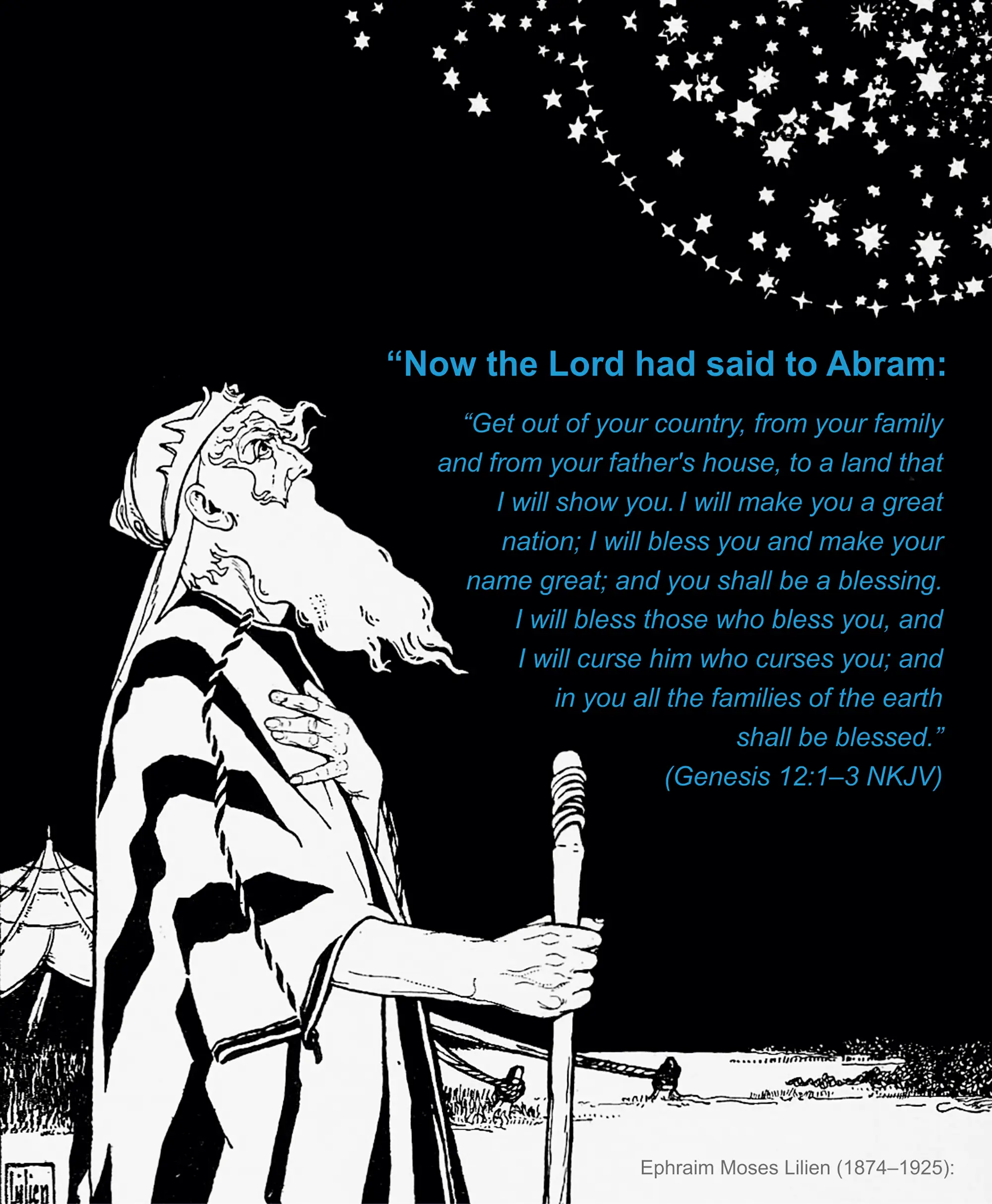
– Abraham, the forefather of the Jewish nation, by obedience to the Almighty left the Mesopotamian city, Ur, to take possession of the land that God had promised to give him and his descendants, the land of Kanaan. God promised Abraham that if he followed God’s word, he would become a great nation, and the nations of the earth would be blessed through him and his descendants.
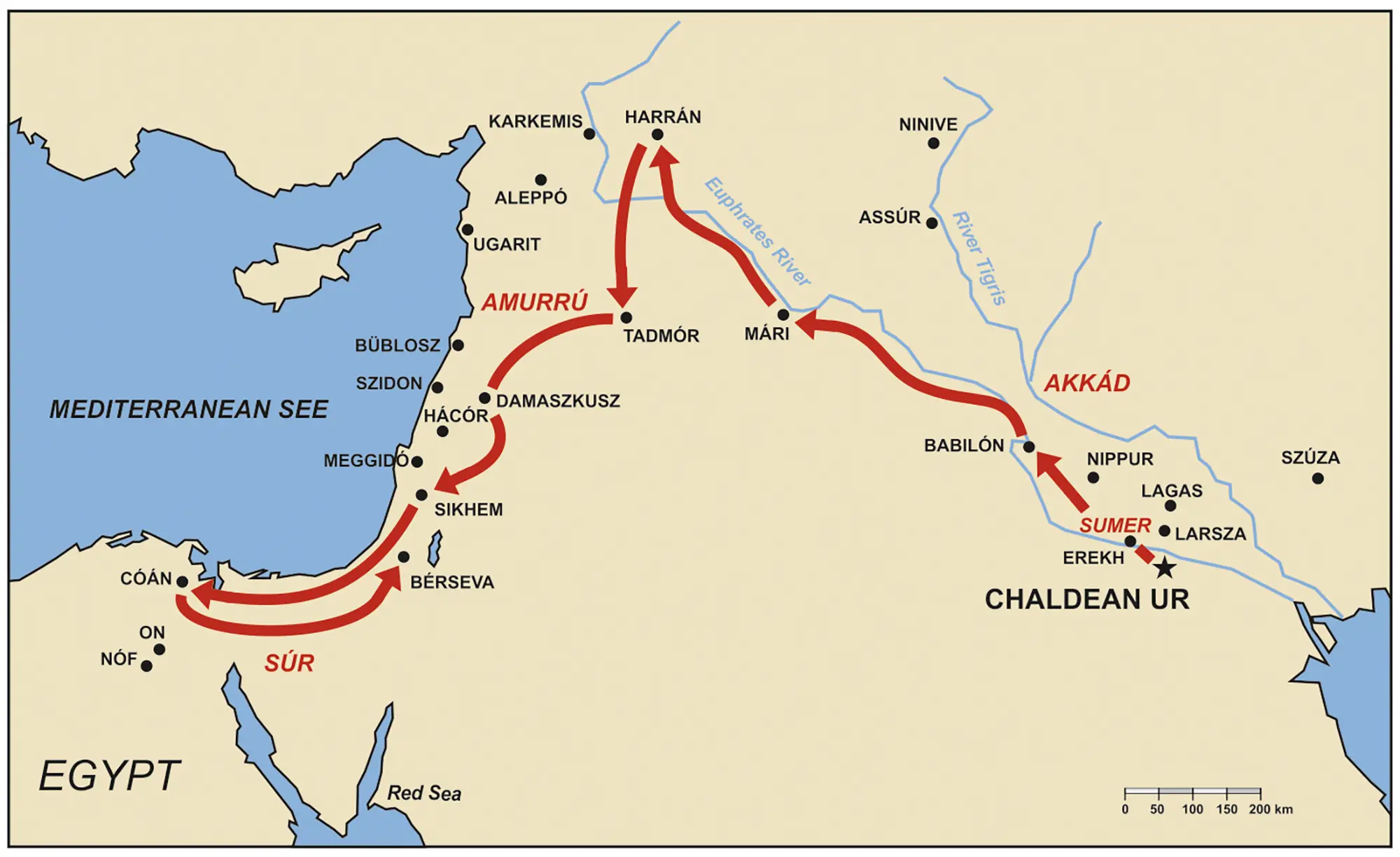
The wanderings of Abraham
25 years later,
Abraham’s (Father of many nations) wife, Sarah (Noblewoman), gave birth to a son promised by the Almighty, who was named Isaac (Who always laughs).
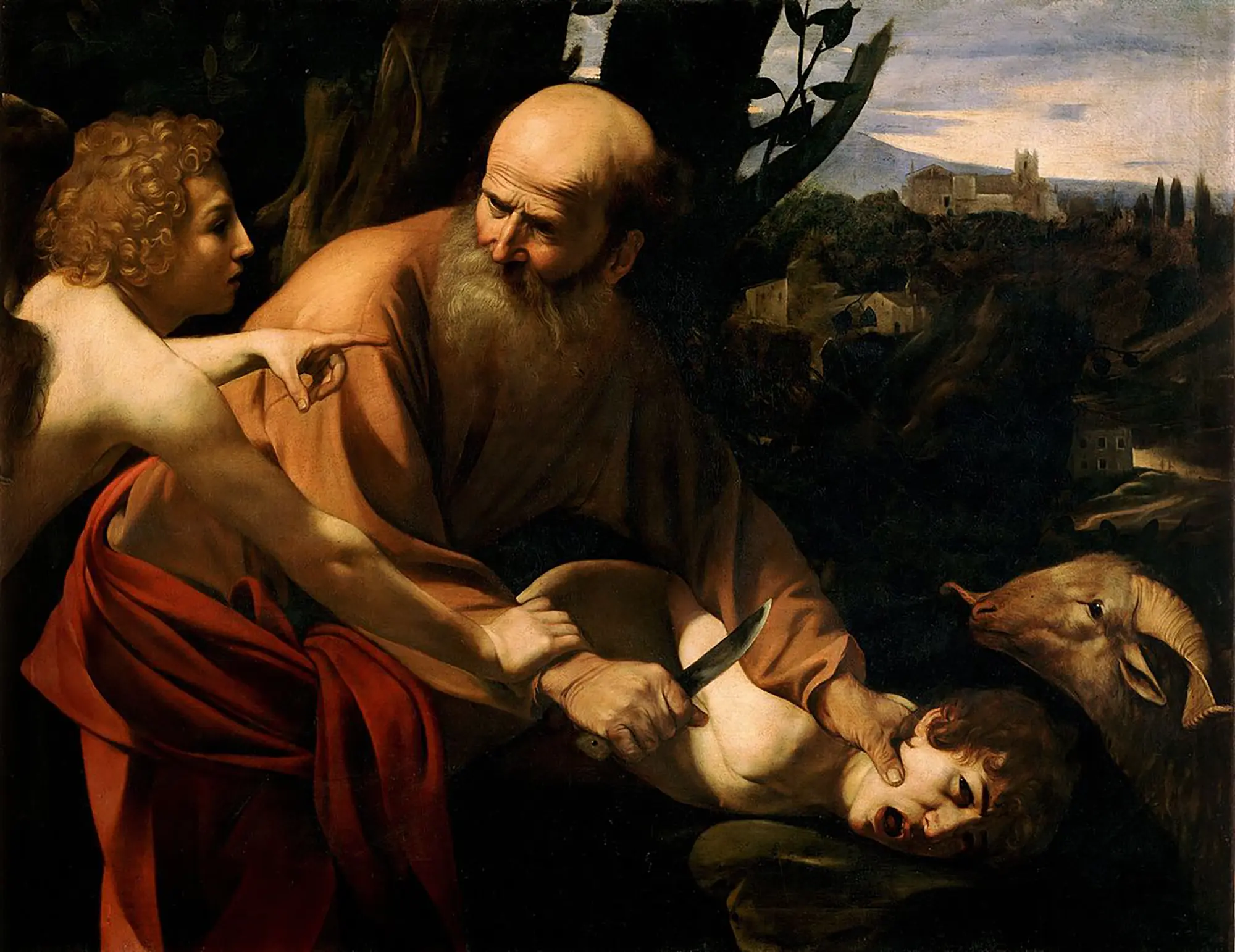
Caravaggio (1571-1610): The Sacrifice of Isaac
The Almighty tests Abraham’s faith
by asking for Isaac’s sacrifice as a burnt offering at Mount Moriah. Abraham was obedient to the word of the Lord, although God intervened and sent a ram as a sacrifice instead of the son. After the events, God declared that he would take care of, appear and show guidance on this mountain.
Isaac had two children:
Esau and Jacob. Jacob and his descendants inherit the promises given to Abraham. After a struggle with God’s envoy one night, Jacob received a new name, Israel (God’s fighter / The one who fights with/for God / For whom God fights). Jacob had twelve sons and one daughter. From the twelve sons came the twelve tribes of Israel. The names of the sons in the order of their birth: Reuben, Simeon, Levi, Judah, Dan, Naphtali, Gad, Asher, Issachar, Zebulun, Joseph, Benjamin.
Jacob’s favorite son
from his beloved wife, Rachel, was Joseph, who was sold to a caravan out of envy from his brothers. Joseph got to Egypt, where (due to his special wisdom given by the Lord) he was ascended and saved the surrounding nations from the seven years famine. Jacob and his other sons migrated to Egypt at this time. Jacob adopted Joseph’s sons, Ephraim and Manasseh; thus, they were among the twelve tribes. Joseph was convinced that the Lord would deliver the sons of Israel from Egypt, so he assigned that his body should be taken back to the land of Kanaan after his death.
15th century
– The sons of Israel became a large community in Egypt, while pharaohs came to the throne who forgot about Joseph and his good deeds saving the country. The Egyptians began to fear and hate the Israelites, and by exterminating Israeli infants and hard forced labor they tried to bring the Israelites under control. One of the survivors of the infanticides was Moses (Drawn out from water), who survived due to the faith of his Levites parents and got to the Pharaoh’s house as an infant.
Moses grew up,
and in an unfortunate way he committed a murder and was forced to flee. He spent forty years as a shepherd on the land of Midian, where he also married. At the age of eighty while steering his sheep, the Lord spoke to him by Mount Horeb and told him that he chose him to rescue the sons of Israel from the four hundred-and-thirty-years long captivity.
By God’s power,
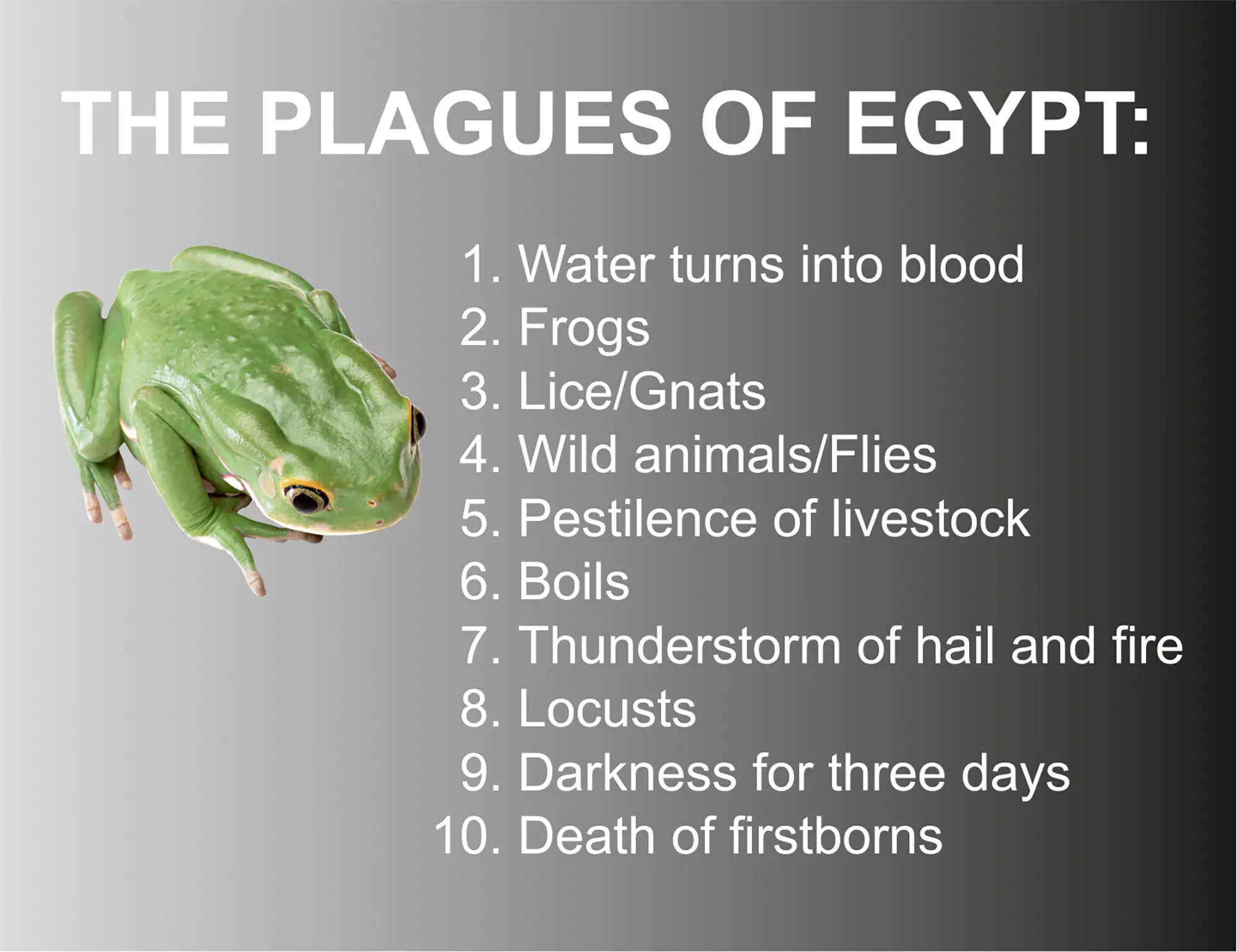
Moses returned to Egypt and with his brother Aaron he took part in the preparations of the Exodus. During the conflict with Pharaoh, the Lord demonstrated his power with ten plagues. In the tenth plague, Pharaoh lost his first-born son. Thus, he allowed the Jews to leave. However, revenge did not let him rest and he pursued the Jews by the Red Sea. The Lord divided and dried up the sea in front of the Israelites. After crossing the sea with dry feet, the huge water-wall fell onto the Egyptian army.
God led his people
by a cloud during the day and by a pillar of fire during the night, and miracles followed them daily. Fifty days after leaving Egypt, another history-shaping event happened by Mount Sinai: The Lord made the covenant of the Law with Israel, giving them Ten Commandments, and the other detailing commandments, the whole Torah. God informed Israel exactly how to honor him. He described in detail to Moses the to-be-built moving Sanctuary and its equipment, the offerings that should be made there, the sacrificial system, where and through which the people were given guidance.
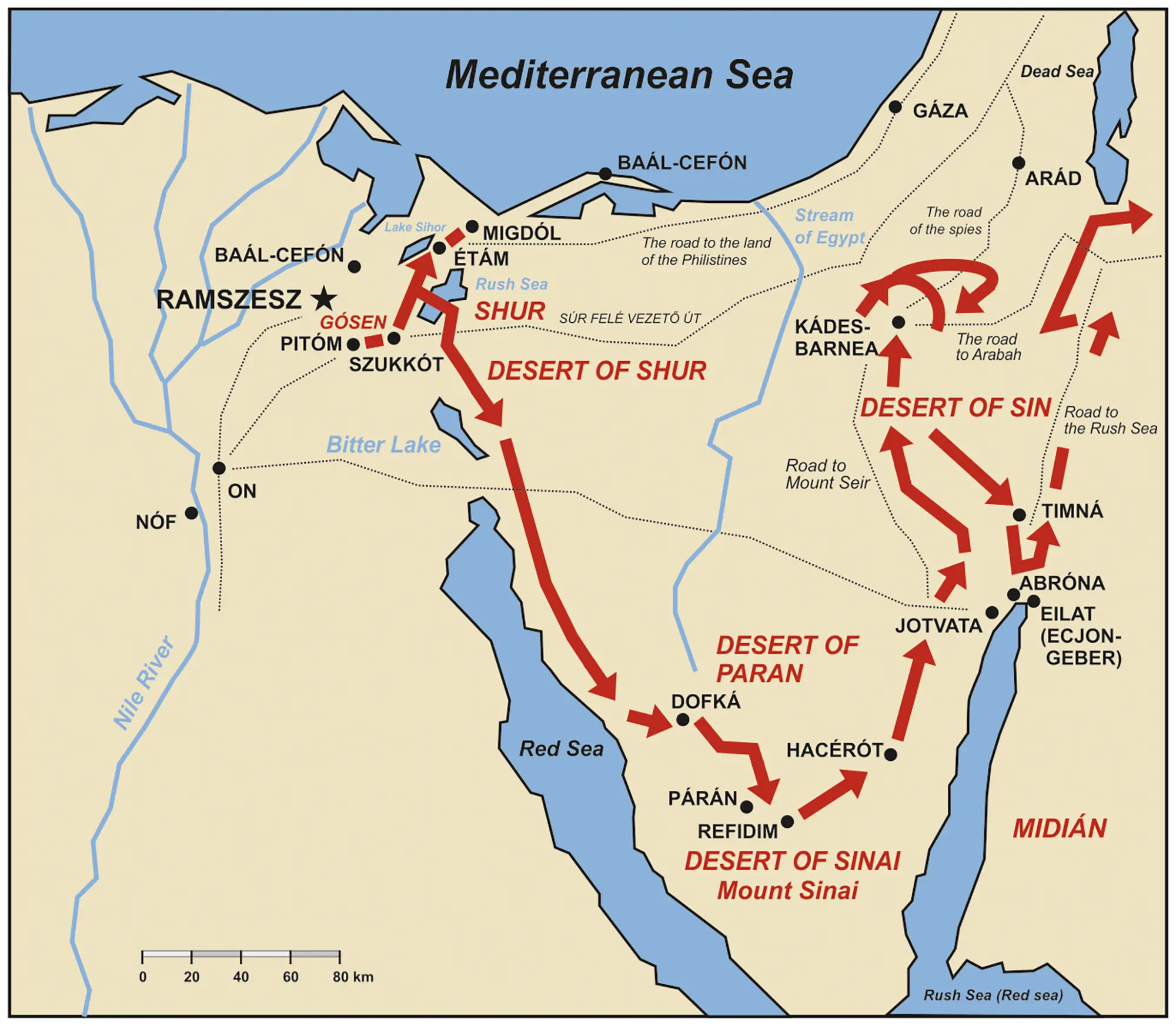
The exodus and the wandering in the wilderness
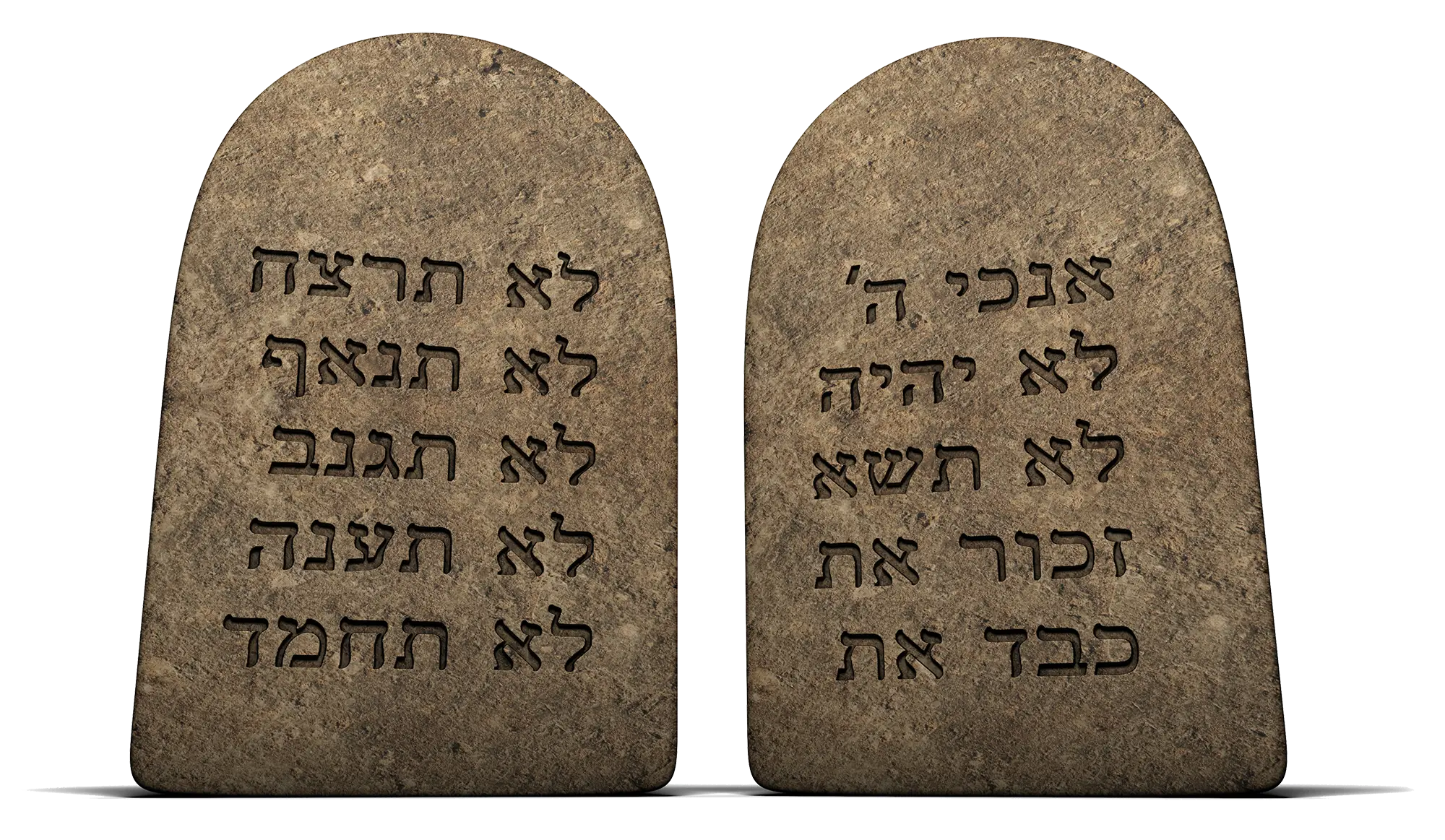
The stone tablets of the Ten Commandments (model)
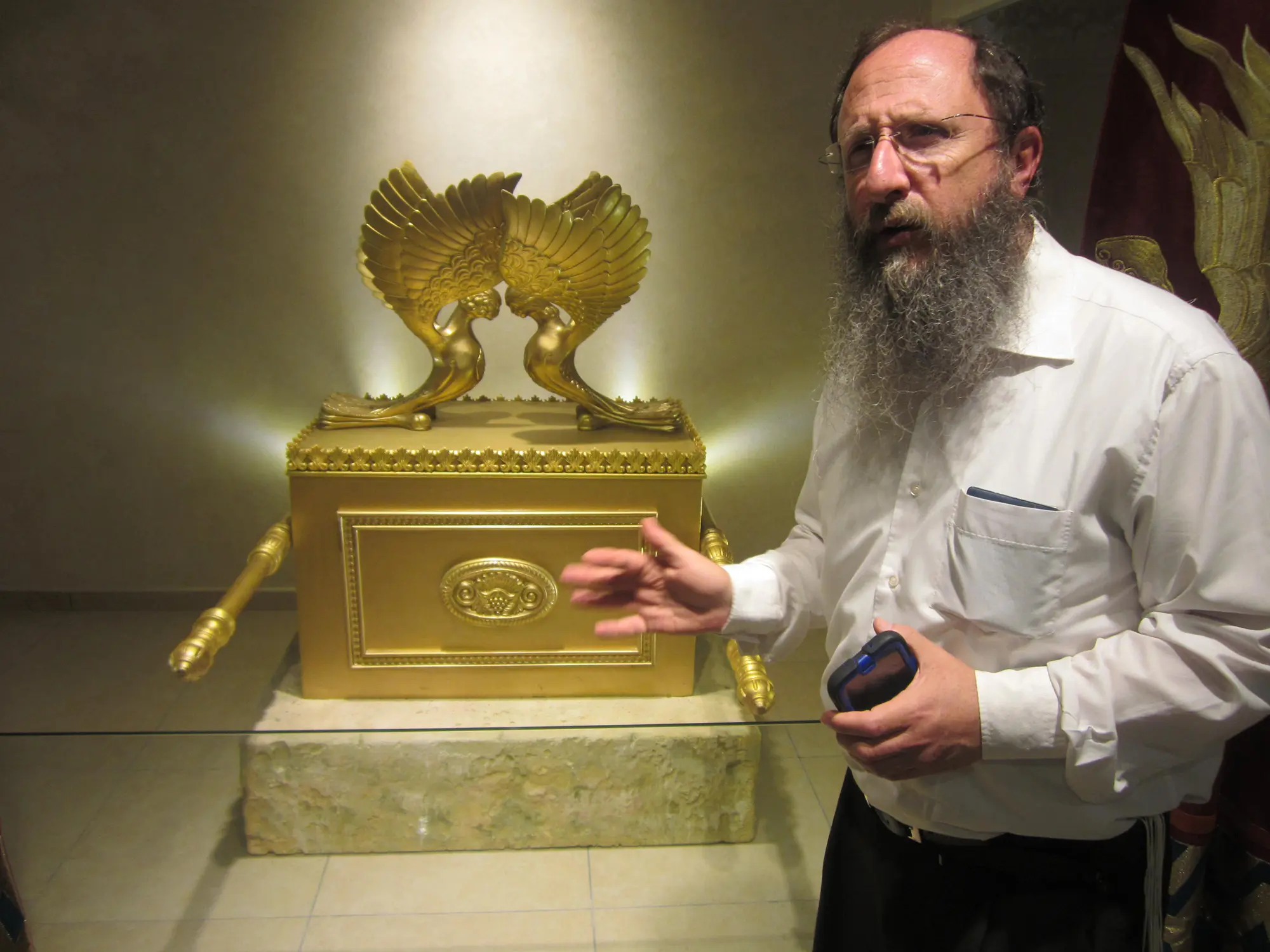
The Ark of the Covenant. The Temple Institute model
Due to their complaining
and disobedience, the sons of Israel must wander in the desert for forty years, and many plagues hit them. Led by Joshua and Caleb, only those can enter the Promised Land who were under twenty years at the time of the Exodus, or those who were born during the wandering in the desert. Moses cannot enter the Promised Land either, although God showed him from Mount Pisgah the promised inheritance of Abraham, Isaac and Jacob.
Around 15–14th century BC
– With the guidance of Joshua, the nation began to take possession of the land of Kanaan, and the tribes divided the nation among themselves.
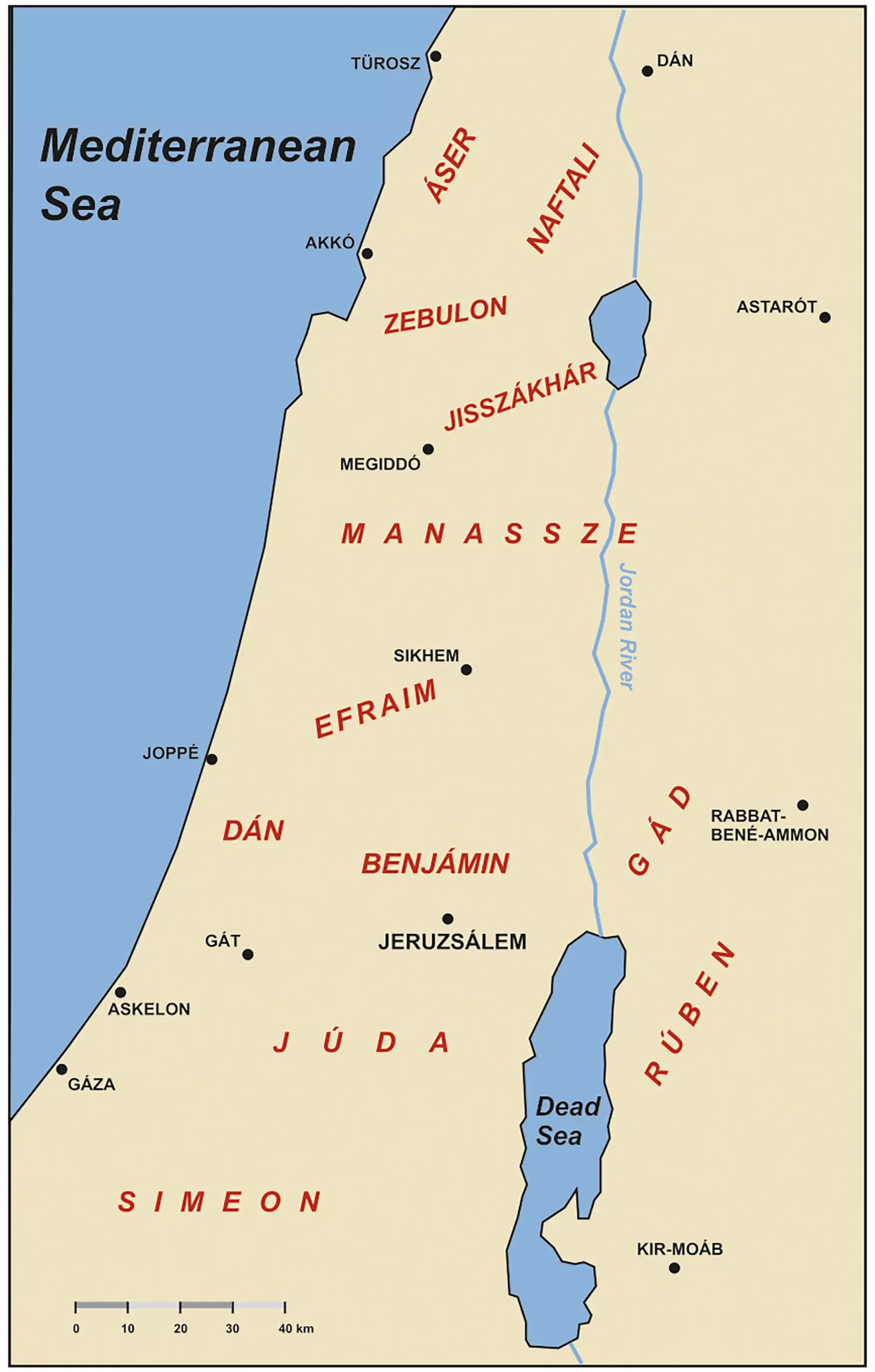
Location of the tribes in the age of the Judges
14–15th century
– After the death of Joshua, the people stopped fighting for the land, and they failed to drive out the Canaanites completely. They began to pick up their habits and became involved in idolatry and in other serious moral sins. As a consequence of their disobedience to God, they were put under the control of the surrounding foreign countries. When the people cried out to the Lord and returned to the Torah, God sent charismatic leaders, a judge for them, through whom for a short time they were freed from their enemies. Israel’s judges: Othniel, Ehud, Shamgar, Deborah, Gideon, Abimelech, Tola, Jair, Jephthah, Ibzan, Elon, Abdon, Samson.
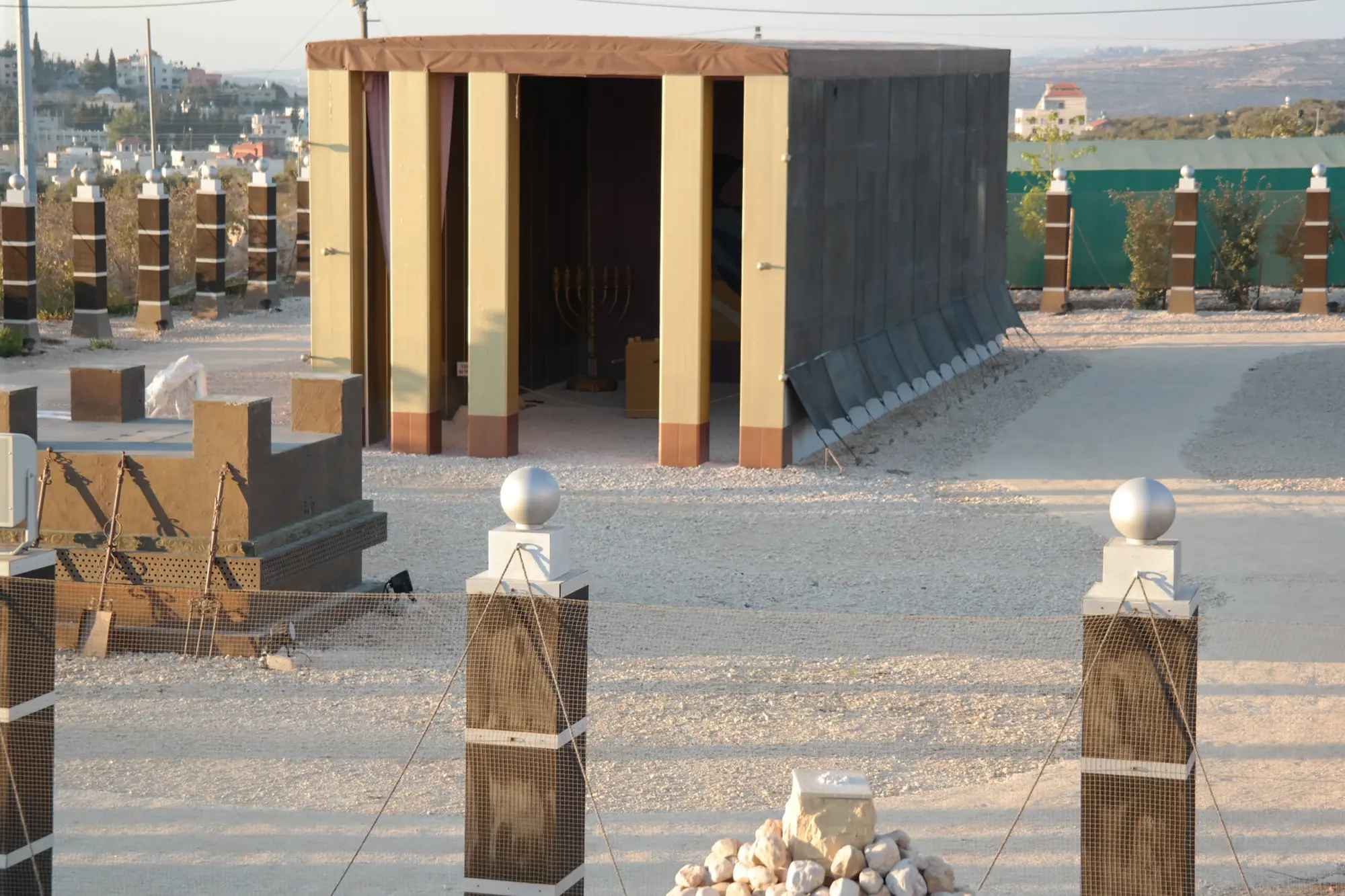
The Bible Garden of Ariel Eshel Hashomron
The last judge
was the prophet Samuel, who was addressed by God when he worked beside Eli, the High Priest in the Tabernacle in Shiloh. The Lord’s will was that through the Tabernacle and the offerings made there, people would receive an insight into the invisible. However, the sons of Eli with their corrupt and sinful deeds, deprived the worship of God into being an empty religion, and by their deeds they alienated people from God. God condemned Shiloh, the city was destroyed, and the offerings required by God were suspended. After these events, a new method of honoring God arose: with Samuel’s leadership an ecstatic, worship-centered movement, the first “prophet-schools” were founded.

