16. The History of Israel from 1950 to August 2018
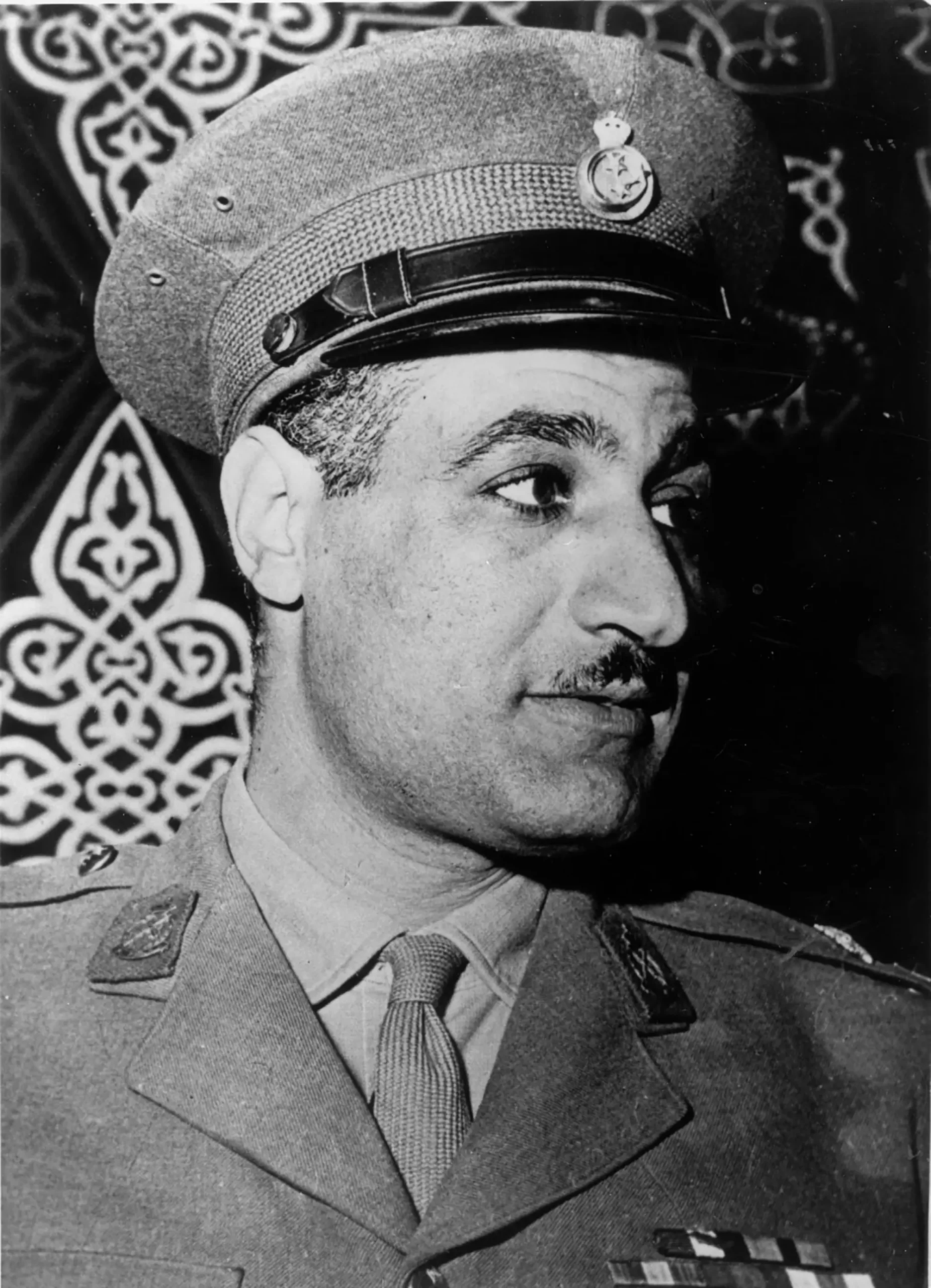
Gamal Abdel Nasser
In the 1950s,
the economy and culture of Israel started to flourish. Meanwhile, the Arab world (1952–70) and Arab nationalism were represented and dominated by Gamal Abdel Nasser and Egypt was led by him. The most significant ally of Israel at the time was France.
1956
– Egypt nationalized the Suez-canal and forbid Israel to use the canal. Great Britain and France intervened in the conflict, and with Israel they attacked Egypt. Parallel to the Suez crisis, the second Arab-Israeli war began. The conflict came to ceasefire with the intervention of the USA and the UN. In the spring of 1957, Israel was forced to leave the Sinai and Gaza Strip and retreated behind the lines of the ceasefire in 1959.
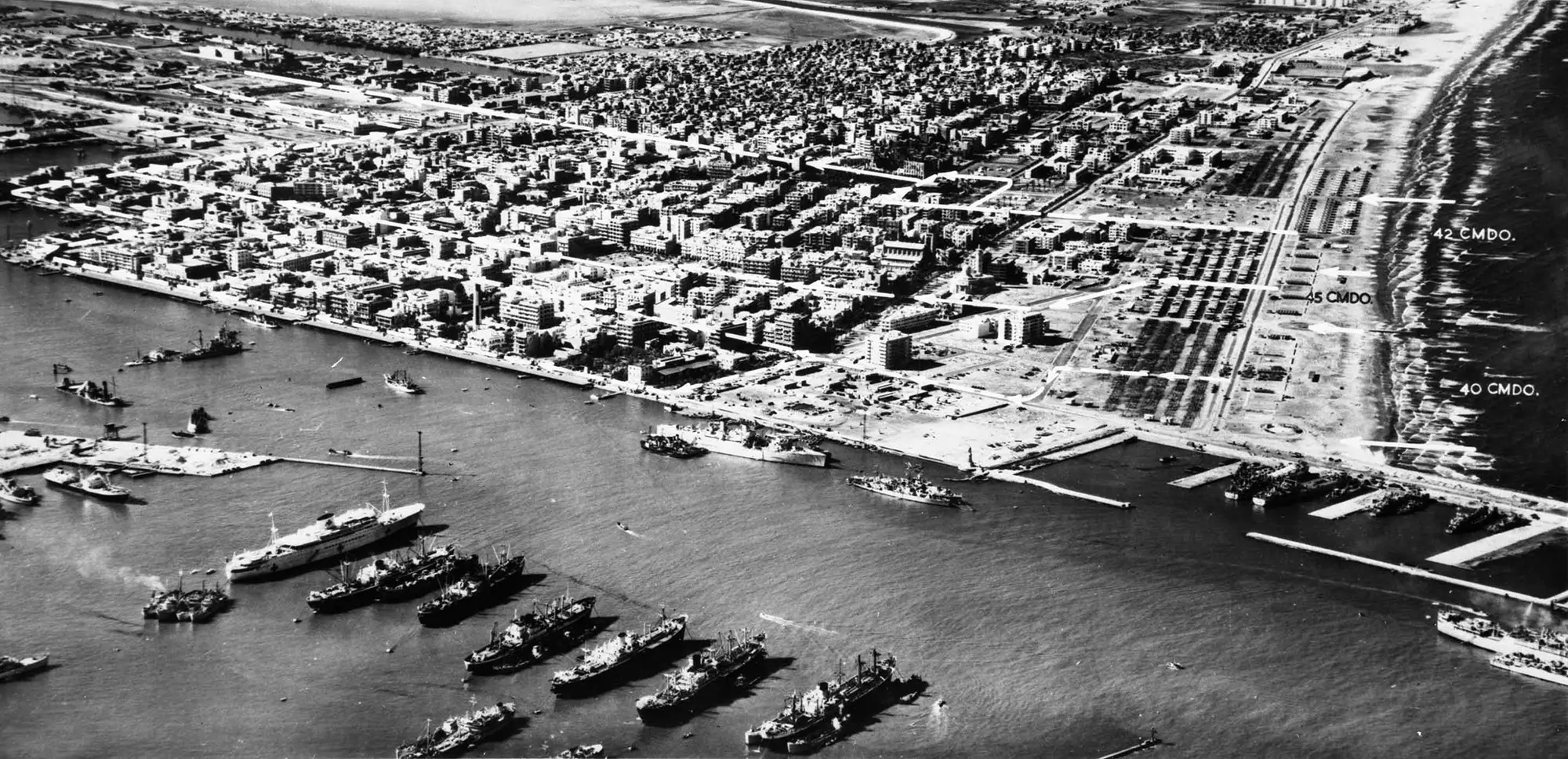
Warships in the Suez Canal
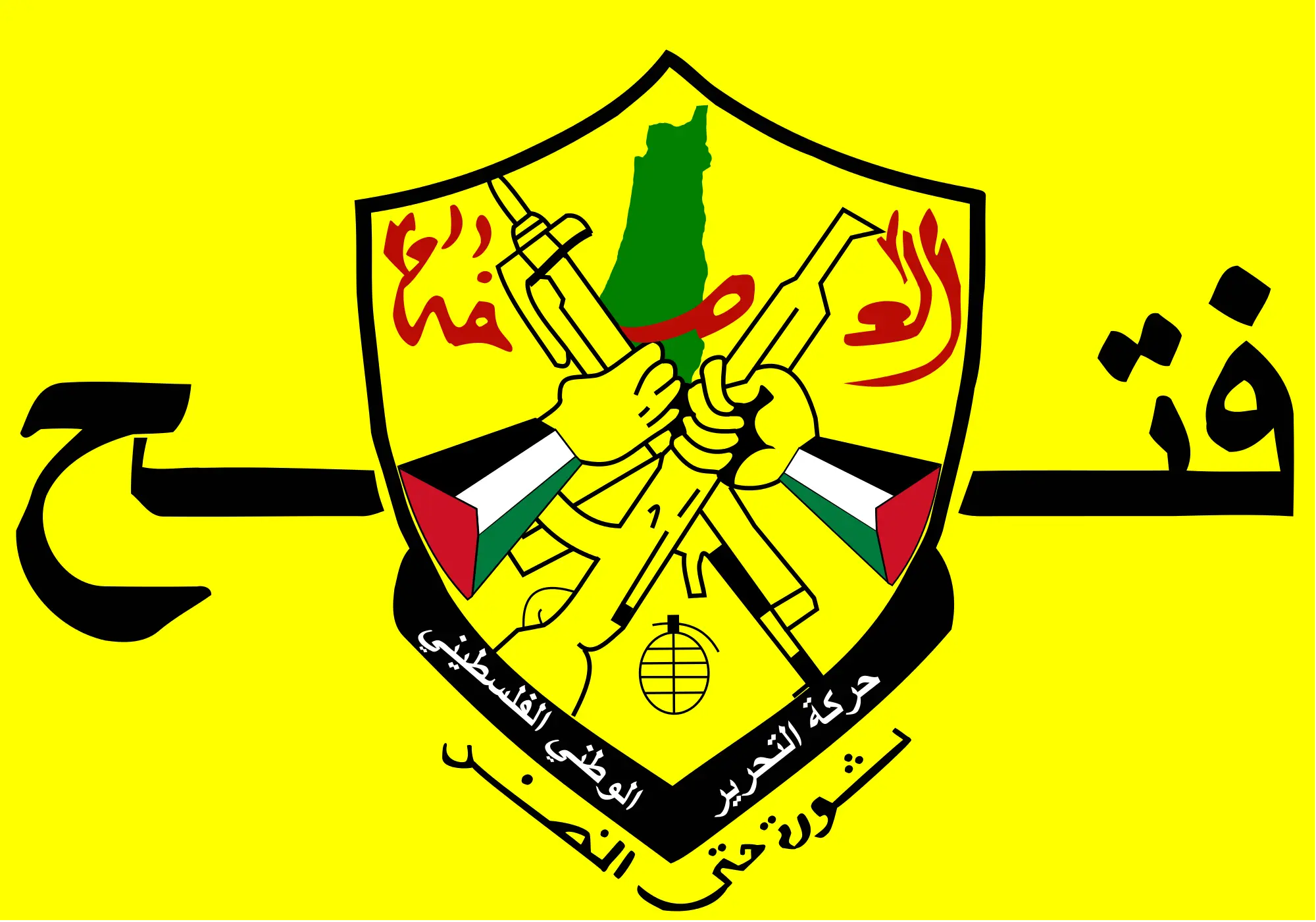
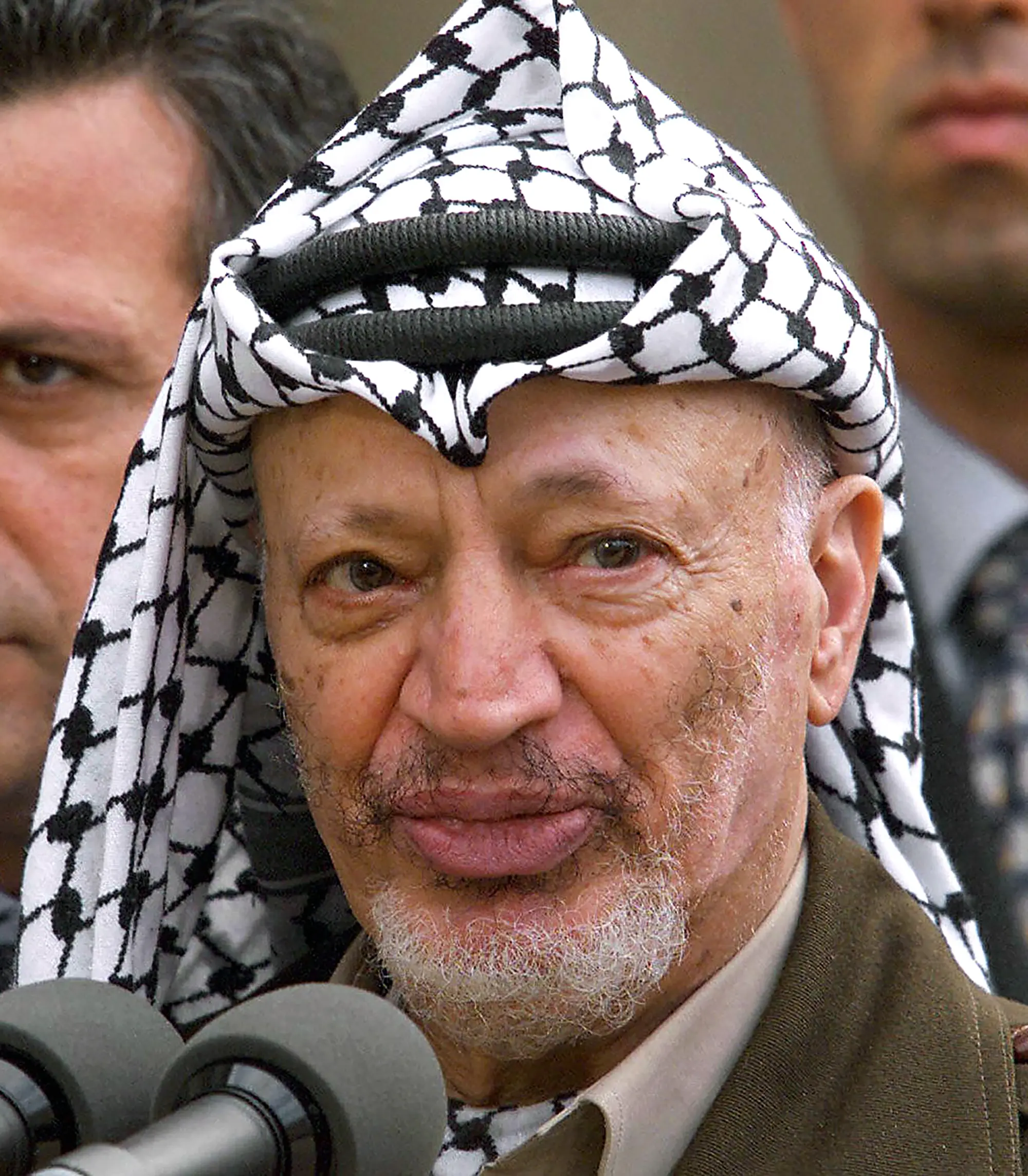
The Fatah flag and Yasser Arafat
1959
– Yasser Arafat (1924–2005) established a nationalist political organization, the al-Fatah (The Conquest), which was dedicated to fight Zionism.
1961
– After the Israeli secret service, the Mossad arrested Adolf Eichmann, who played a key role in the deportation and extermination of the Jews, he was brought to justice in Jerusalem. He was sentenced to death for his crimes against humanity and the Jewish people, he was executed in May 1962.
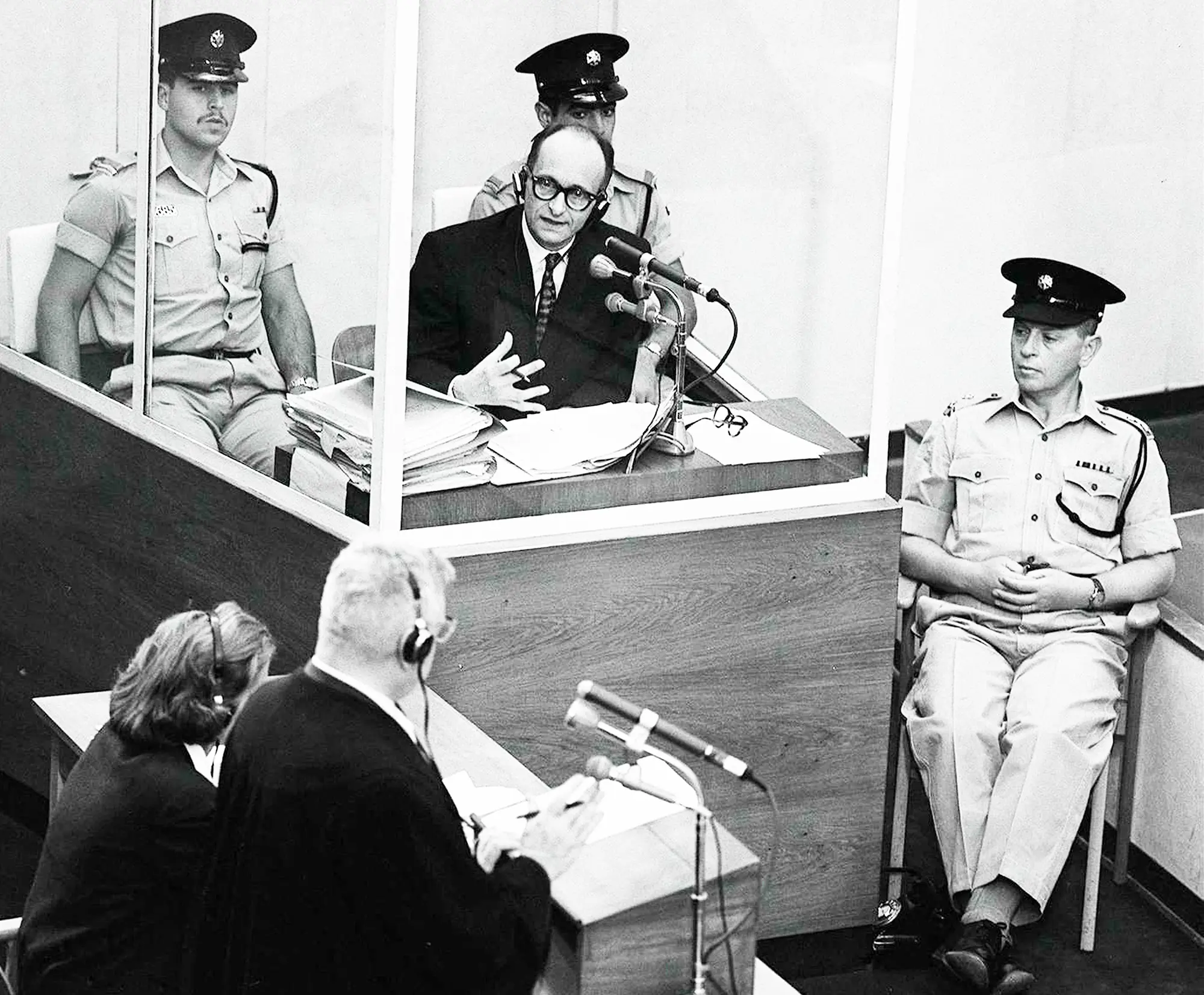
Eichmann in court
1964
– The first Palestine Congress in Jerusalem was held in early summer where the delegates established The Palestinian Liberation Organization (PLO) and adopted its statute, the Palestinian National Charter.
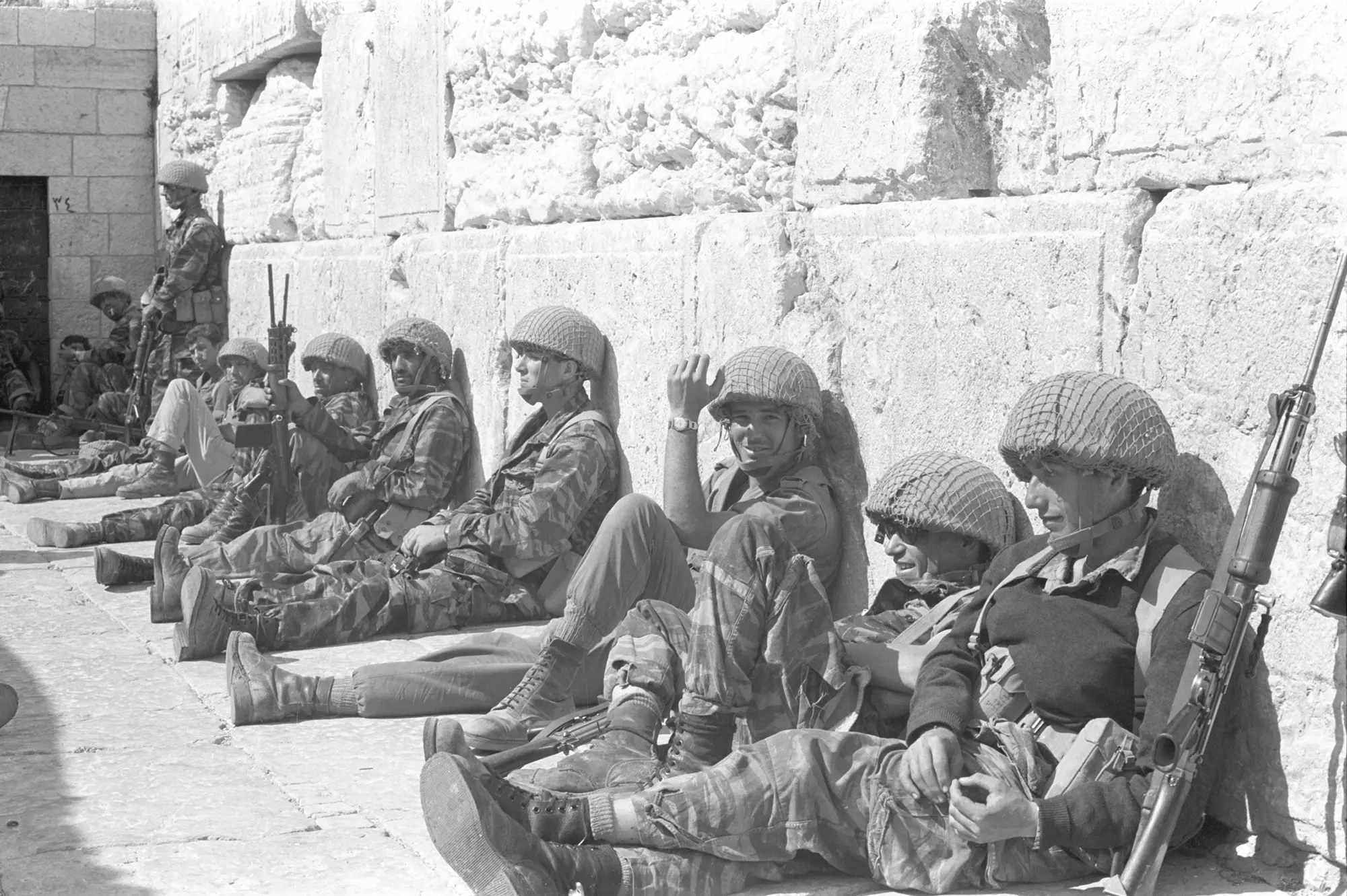
Israeli soldiers at the Wailing Wall
5th June 1967
– The third Arab-Israeli war (Six-Day War) broke out, in which Egypt, Syria, Jordan and Iraq fought against Israel. The “Six Days of Miracles” ended on June 11th, with Israel’s victory over the overpowered Arabs: Old Jerusalem and East Jerusalem, Sinai, the West Bank (Judea and Samaria) and the Golan Heights came under Israeli authority again. As a consequence of the Six-Day War, since the foundation of Israel, the Jews were allowed to pray by the Wailing Wall for the first time. On June 27, Israel extended its jurisdiction to East Jerusalem and declared that all religions were allowed to access the holy sites, but to avoid the confrontation with Muslims, the Temple Mount stayed under the control of the wakf (Islamic Religious Endowments) controlled by the Jordanian king. The PLO focused on the acquisition of lands from 1967, in 1969, the leadership of the organization was in the hands of Yasser Arafat. Palestinian Arab terrorist attacks were also on the international scene already.
1969–1970
– Egypt was waging a “war of terror” against Israel by putting Israeli troops under constant pressure in the Suez region. The aim was to make Israel fatigue by creating constant tensions. The Cairo provocation ended in August 1970 with a ceasefire reached by American mediation.
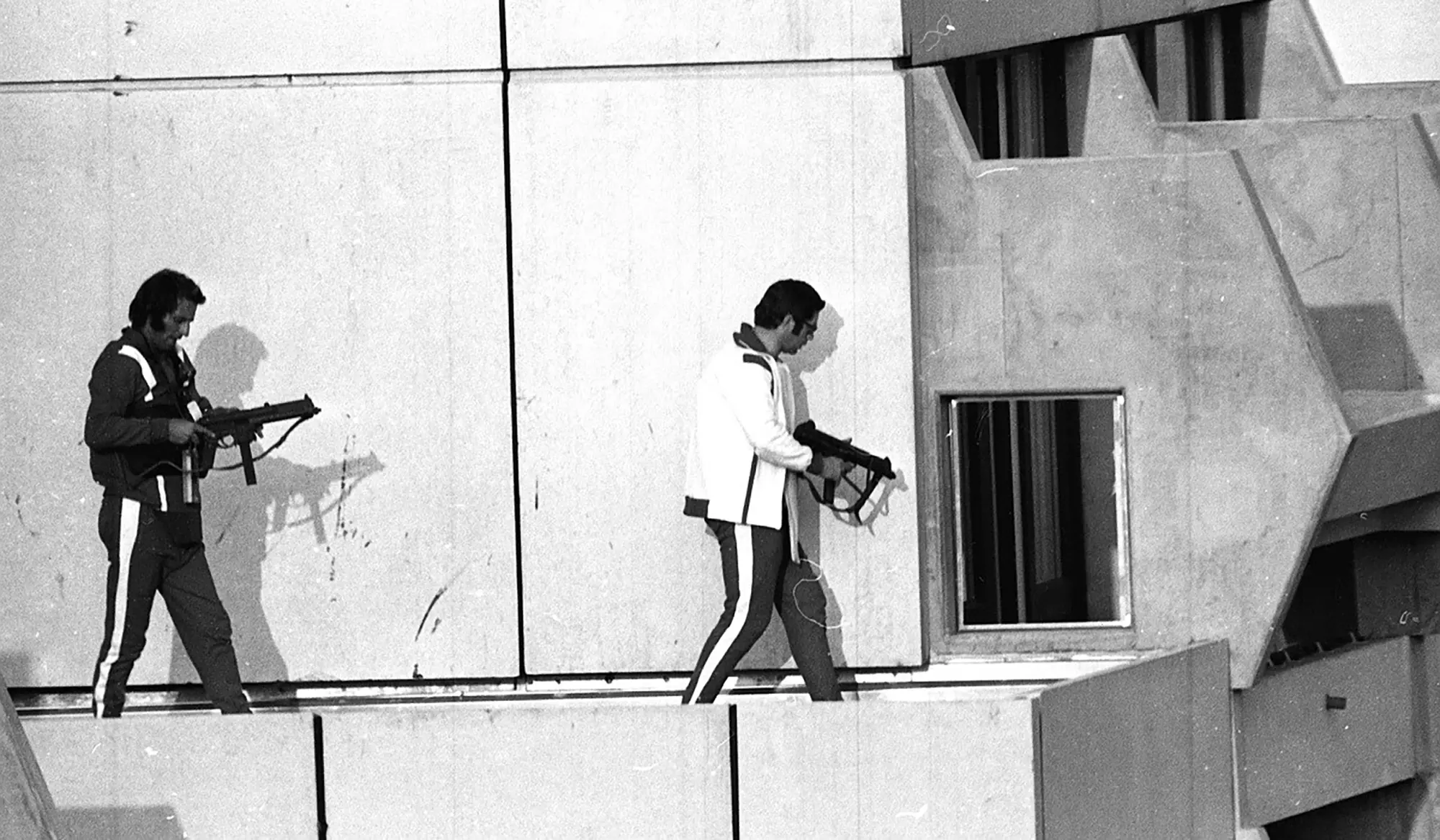
Palestinian terrorists in Munich
1972
– At the Olympics in Munich, Palestinian terrorists took eleven Israeli athletes as hostages. The hostage drama caused the deaths of the Israeli athletes, five terrorists and a German police officer.
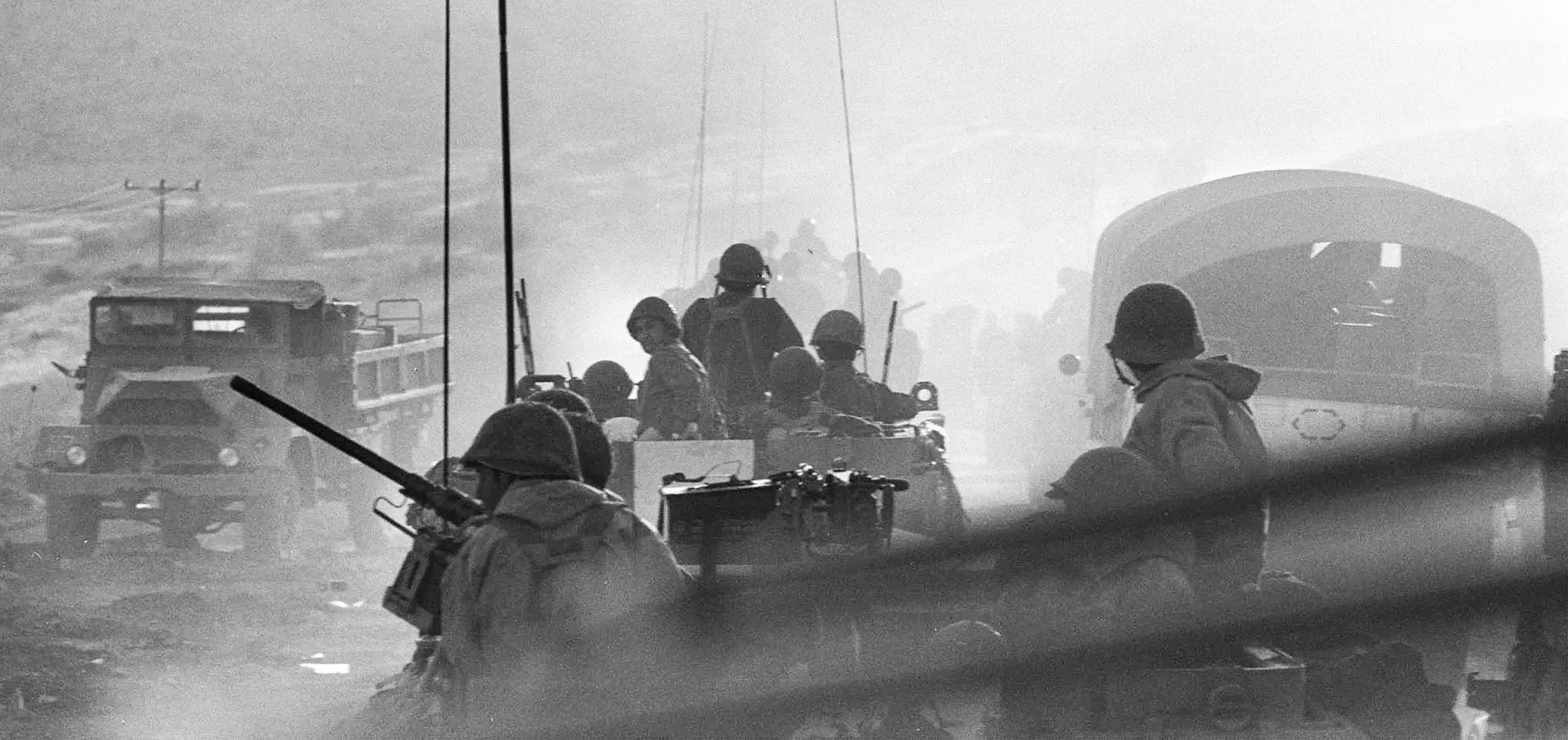
The Yom Kippur War
6th October 1973
– On the greatest Jewish holiday, Yom Kippur, the Arab states began a surprise coordinated attack against Israel. The Yom Kippur War – which is the fourth Arab-Israeli war – took Israel by surprise; in the end the United States came to help. In retaliation towards America, the Arab oil-producing countries limited oil production, raising prices, and then embargoed it; they were also promising to do the same to other countries that wanted to support Israel. As a reaction to the worldwide oil crisis, on October 22, the UN Security Council called for a ceasefire and peace talks, and within a few weeks a ceasefire agreement was signed. In 1974, the UN recognized the right of Palestinians to self-determination, and in 1975, Zionism was labeled as racism and as a form of racial discrimination. (The ruling is overturned in 1991, but its effect remains in the public eye to this day.) In November 1977, the Egyptian President, Anwar Sadat visited Jerusalem, guided by his own idea, and gave a speech providing peace in the Knesset.
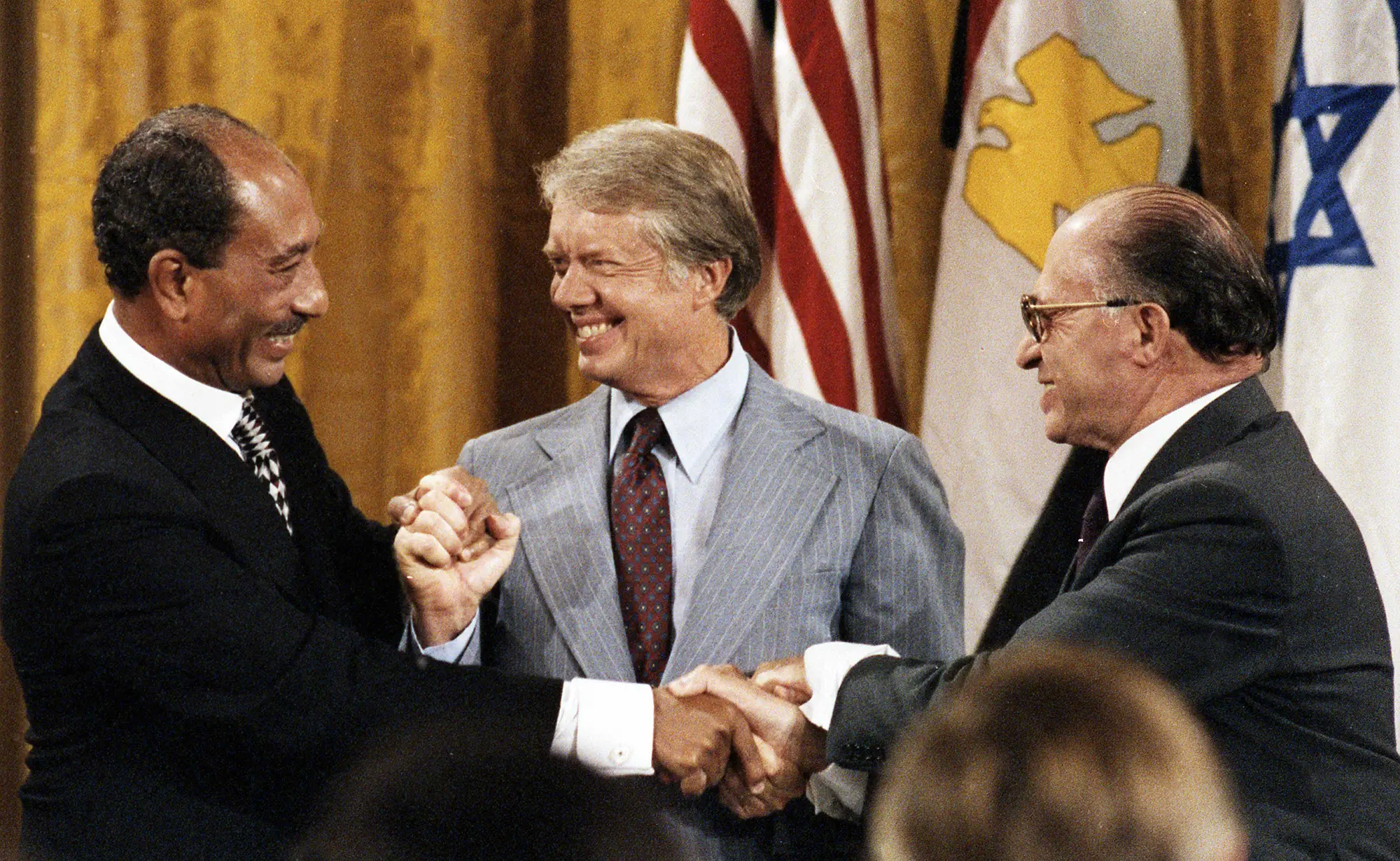
The Camp David Convention
1978
– The American President, Jimmy Carter; the Egyptian President, Anwar Sadat; and the Israeli Prime Minister, Menachem Begin, met in the presidential residence, 100 miles from Washington, in Camp David, to start peace talks as a result of which the Camp David Convention was signed at the White House. The convention envisaged a peace conclusion between Egypt and Israel and a Palestinian Arab autonomy in the West Bank and the Gaza Strip. The peace-treaty between Egypt and Israel was signed in 1979 and as a response, the Arab world shut Egypt out, then President Sadat was a victim of an assassination in 1981.
30th July 1980
– Israel officially annexed East Jerusalem and took into Basic Law that East and West Jerusalem and other parts of the city belonging to the agglomeration, belonged to the united and indivisible Jerusalem, the capital of the State of Israel. The UN Security Council rejected the decision, and several countries moved their embassies to Tel Aviv in protest. In December 1981, the Golan Heights was also declared as an Israeli state territory in the Knesset.
1982
– After repeated violent rocket attacks from South-Lebanon by the PLO on northern Israeli settlements, Israel responded to the provocations of the PLO in order to provide security for northern Israel. Thus, on June 6 the fifth Arab-Israeli war broke out – which was the first Lebanese war. On September 1, the leadership of the PLO and 15,000 Palestinian militias left Lebanon.
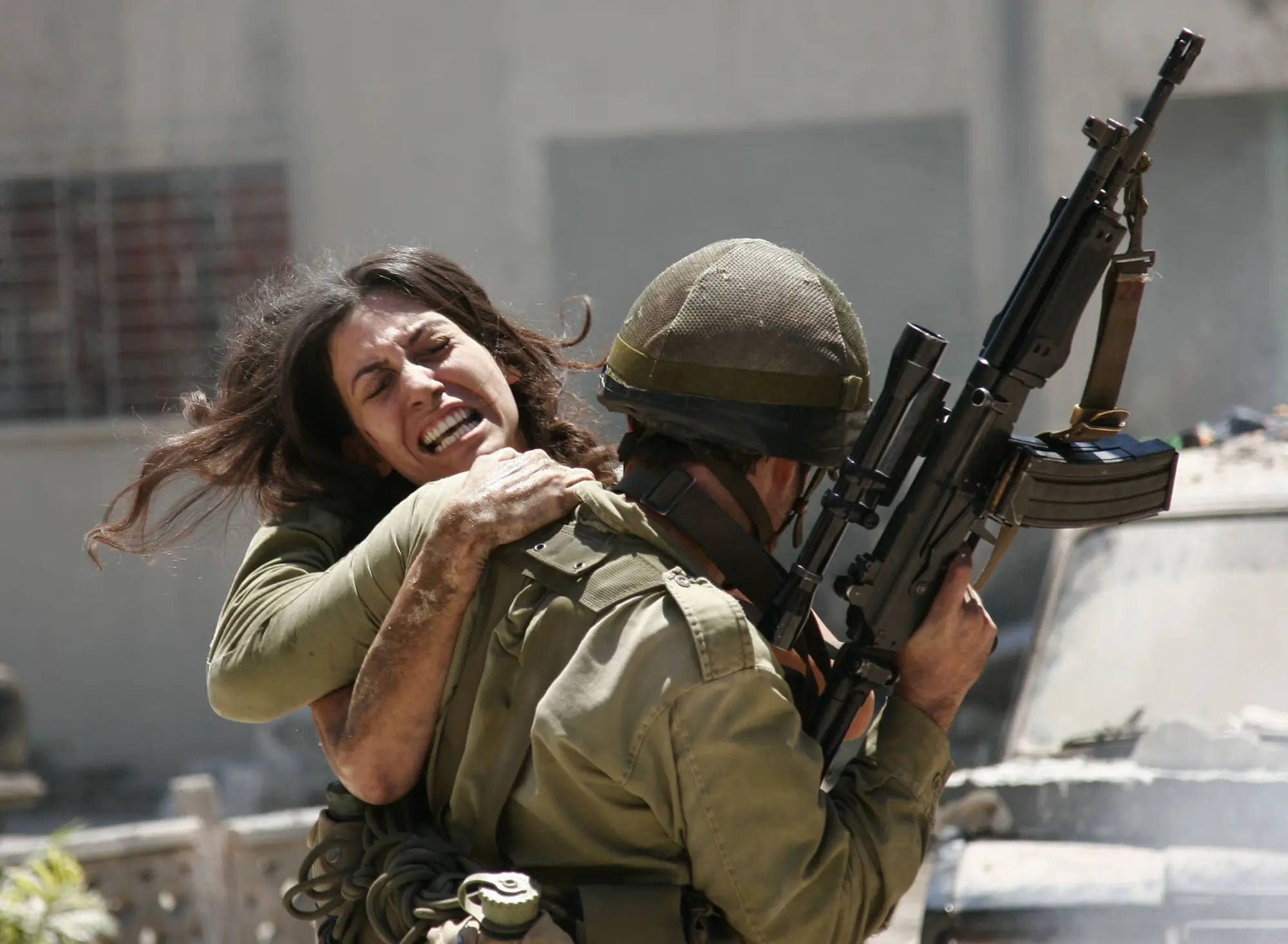
The first Lebanese war
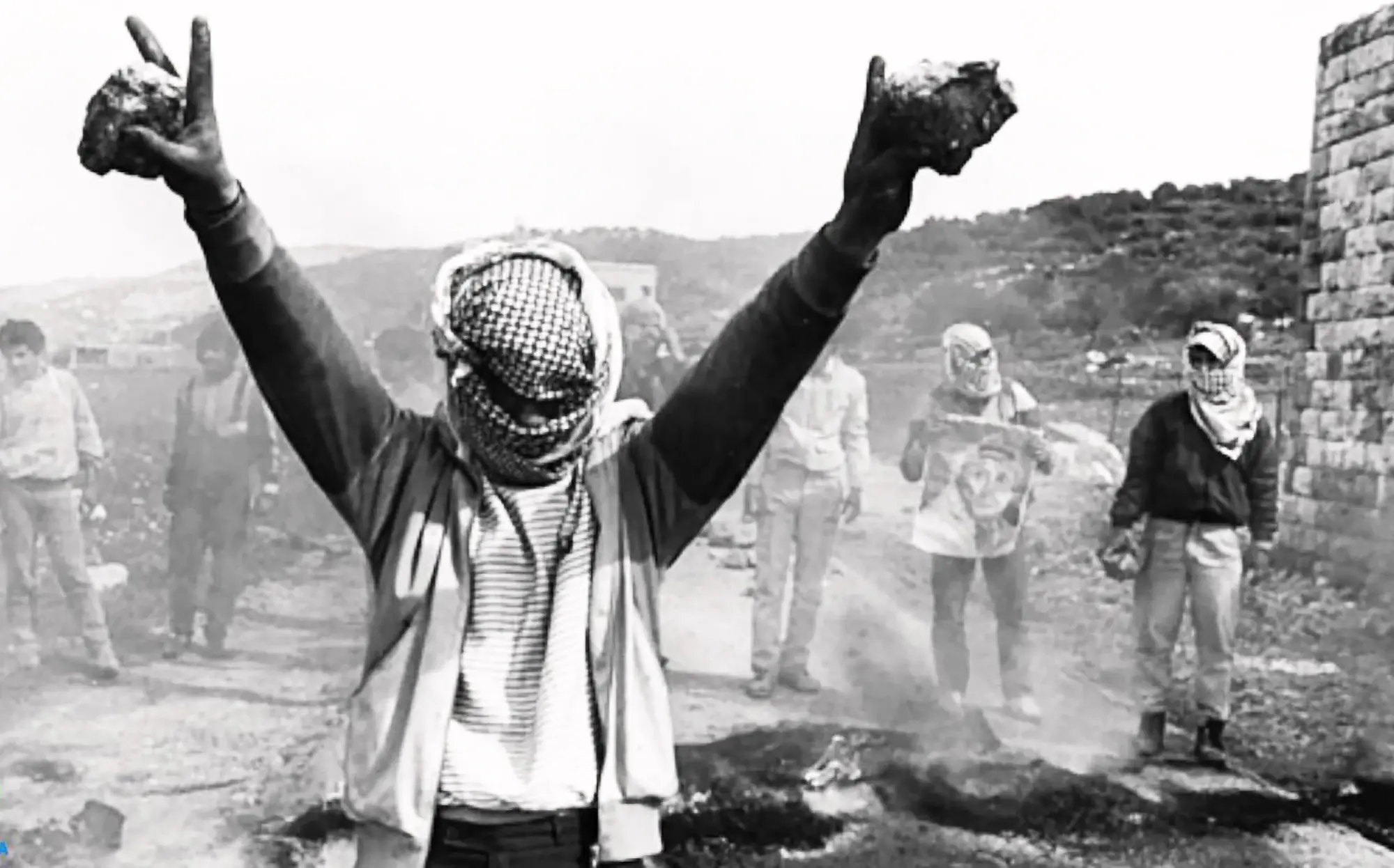
The first intifada
8th December 1987
– Under the pretext of an accident, a general Arab uprising unfolded in the Israeli-controlled Gaza Strip and in Judea and Samaria as well. This was the First Intifada (“shaking off”). The Arab citizens, in both East Jerusalem and the Old Town, were bombing and rioting. Meanwhile, the militant Islam gains ground among the Arab population and the Islam Resistance Movement (Hamas) was formed on Muslim grounds. The Intifada officially ended in September 1993 with the signing of the first Oslo Accord.
1988
– On 15th November, the Palestinian National Council announced in Algiers the Palestinian Declaration of Independence in which it created a Palestinian State with Jerusalem as its capital. In the same year, the international radical Islamic organization was formed, the al-Qaeda which saw Israel, the United States and more generally, the Western world and the Arab states flirting with them as its main enemies.
1990
– On August 2, Iraq occupied and annexed Kuwait, the Gulf crisis began, then in January 1991 the Gulf War broke out. At the end of February, international military forces led by the US defeated the Iraqi army in Kuwait, and in response Iraq launched rocket attacks on Israel. In 1991, the Soviet Union was disintegrated. Thus, the anti-Israel Arab forces lost their main international support and Washington started the so-called peace process in October 1991 with the Madrid Peace Conference for peace in the Middle East.
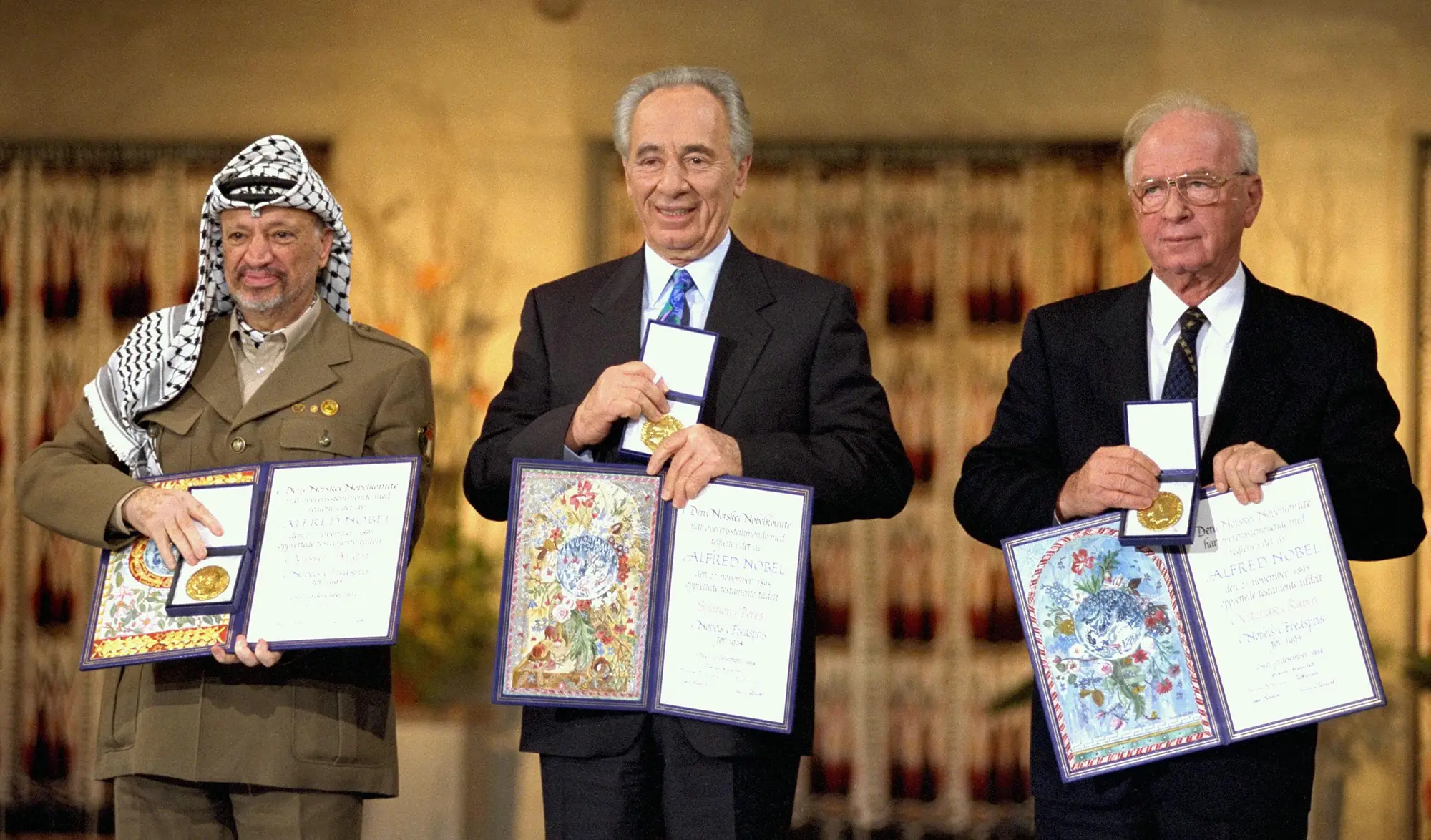
Yasser Arafat, Simon Peres and Yitzhak Rabin
13th September 1993
– The president of the PLO, Yasser Arafat and the Israeli foreign minister, Yitzhak Rabin signed the Oslo I Accord. In 1994, as a result of the agreement, the Palestinian authorities were formed. In 1994, Israel and Jordan entered into a peace agreement, and Yitzhak Rabin, Simon Peres, and Yasser Arafat received a Nobel Peace Prize.
1995
– In September, the Oslo II Accord was signed, and Israel gave control over the West Bank and the Gaza Strip to the Palestinians. On November 4, a Jewish extremist, Yigal Amir, assassinated Prime Minister Yitzhak Rabin at a peace gathering in Tel Aviv in protest to the processes in Oslo. The United States Congress committed to move its embassy from Tel Aviv to Jerusalem. The implantation of this decision was postponed by the signing of new documents over and over again.
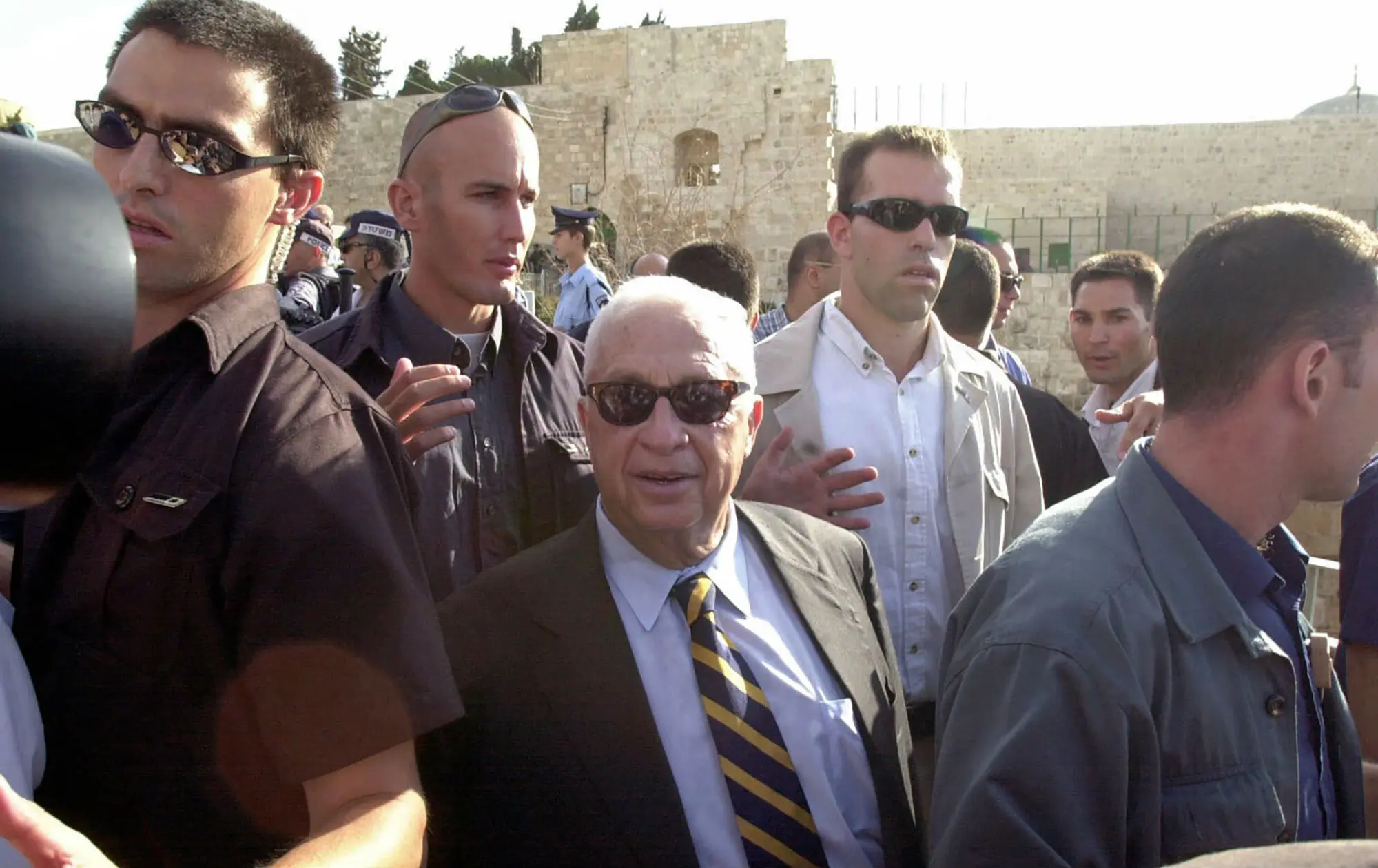
Ariel Saron on the Temple Mount
2000
– In May, the rest of the Israeli troops left South-Lebanon. In June, with Bill Clinton, Ehud Barak and Yasser Arafat, a summit meeting was held at Camp David. Arafat rejected the offer of peace on the basis of a visit to the Temple Mount by Ariel Sharon, he blasted out the Second Intifada (Al-Aqsa Intifada) which caused many to be injured.
2001
– In January, the negotiations about the peace process continued at the Taba Conference. On September 11, the Islamic radicals carried out a terror attack against the World Trade Center in New York.
2002
– The attacks of Arab suicide terrorists killed hundreds and injured thousands of innocent Israeli citizens. Israel started to build a wall on the West Bank (West Bank Barrier) to eradicate the assassins there. The protective fence contributed to the elimination of suicide terrorism.
2005
– In January, Mahmoud Abbas (Abu Mazen) became the elected President of the Palestinian government with whom Ariel Sharon signed a ceasefire agreement. In order to advance the peace process, Israel moved 9000 Jewish settlers from the Gaza Strip and withdrew from the region led by Ariel Sharon. Israel’s withdrawal from the Gaza Strip led to an increase of violence and radicalization.
2006
– In July, the Hezbollah (Lebanese Shia militant group) provoked the second Lebanese war in which nearly four thousand rockets were launched in a month towards the northern parts of Israel.
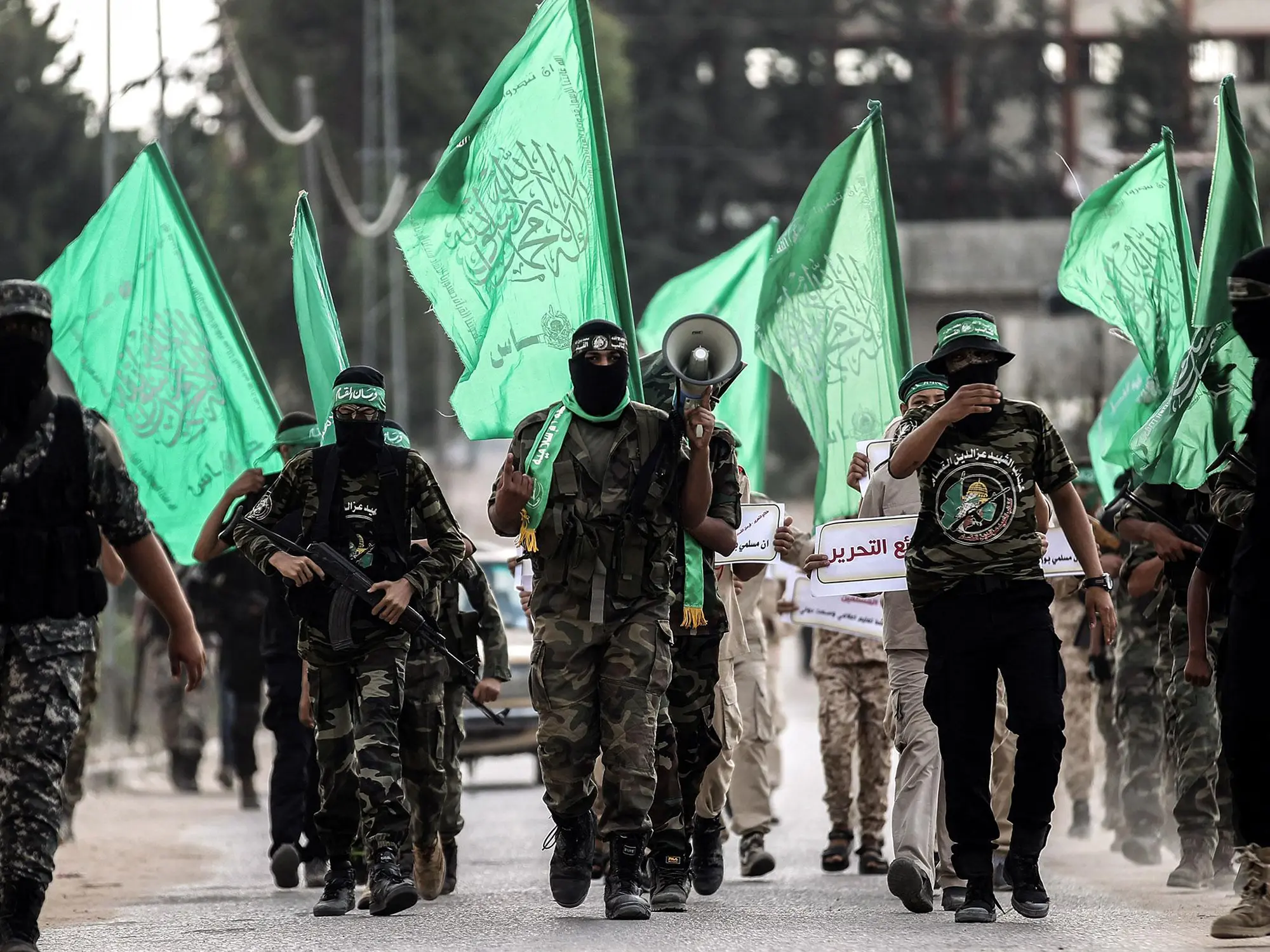
The Hamas show of force
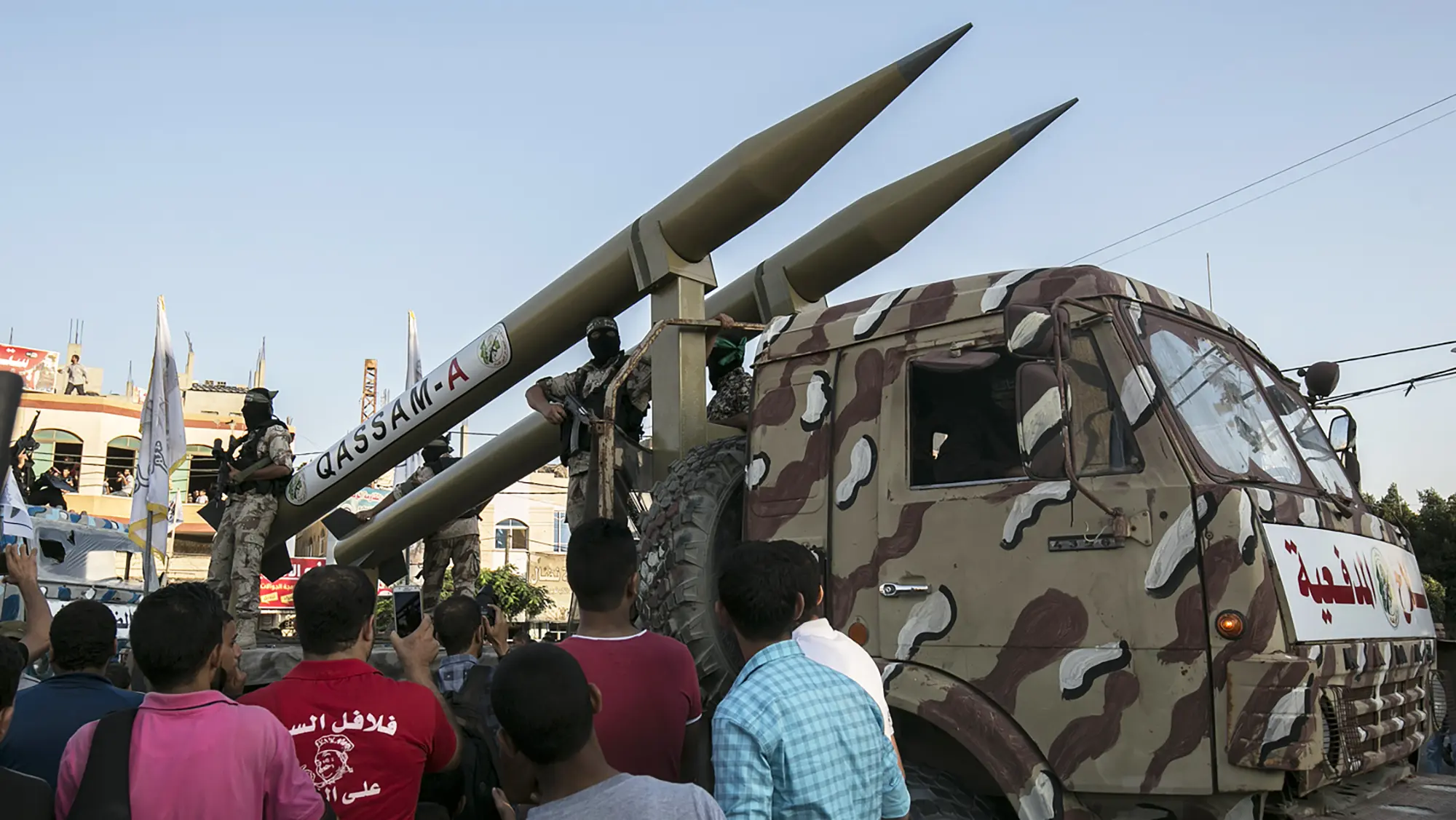
Hamas homemade rockets at an anti-Israel military parade
2007
– The Hamas took control of the Gaza Strip. The terrorist organization was fighting Israel through digging tunnels, weaponizing, and rocket attacks. In response to the rocket attacks, Israel closed the borders of the Gaza Strip, initiating the closure energy and aid sources. In December 2008, Israel measured air strikes on the Hamas and destroyed its tunnels drilled between Egypt and the Gaza Strip. The Gaza War ended in January 2009 with a unilateral Israeli ceasefire. Hamas still did not accept the existence of the State of Israel and refused to agree on a ceasefire. In 2011, to protect its cities and citizens, Israel deployed the Iron Dome Air Defense Missile System which destroyed more than a third of the missiles in the air. In 2012, nearly a thousand Iranian missiles were fired from the Gaza Stirp by Hamas militants towards Israel in eight days. Rockets could reach Tel Aviv and Jerusalem thus masses of Israelis lived in danger every day.
July 2014
– In response to the Gaza rocket attacks, stabbings of Israeli citizens and tunnels to Israeli territories, the Israeli military forces conducted air strikes against Hamas targets.
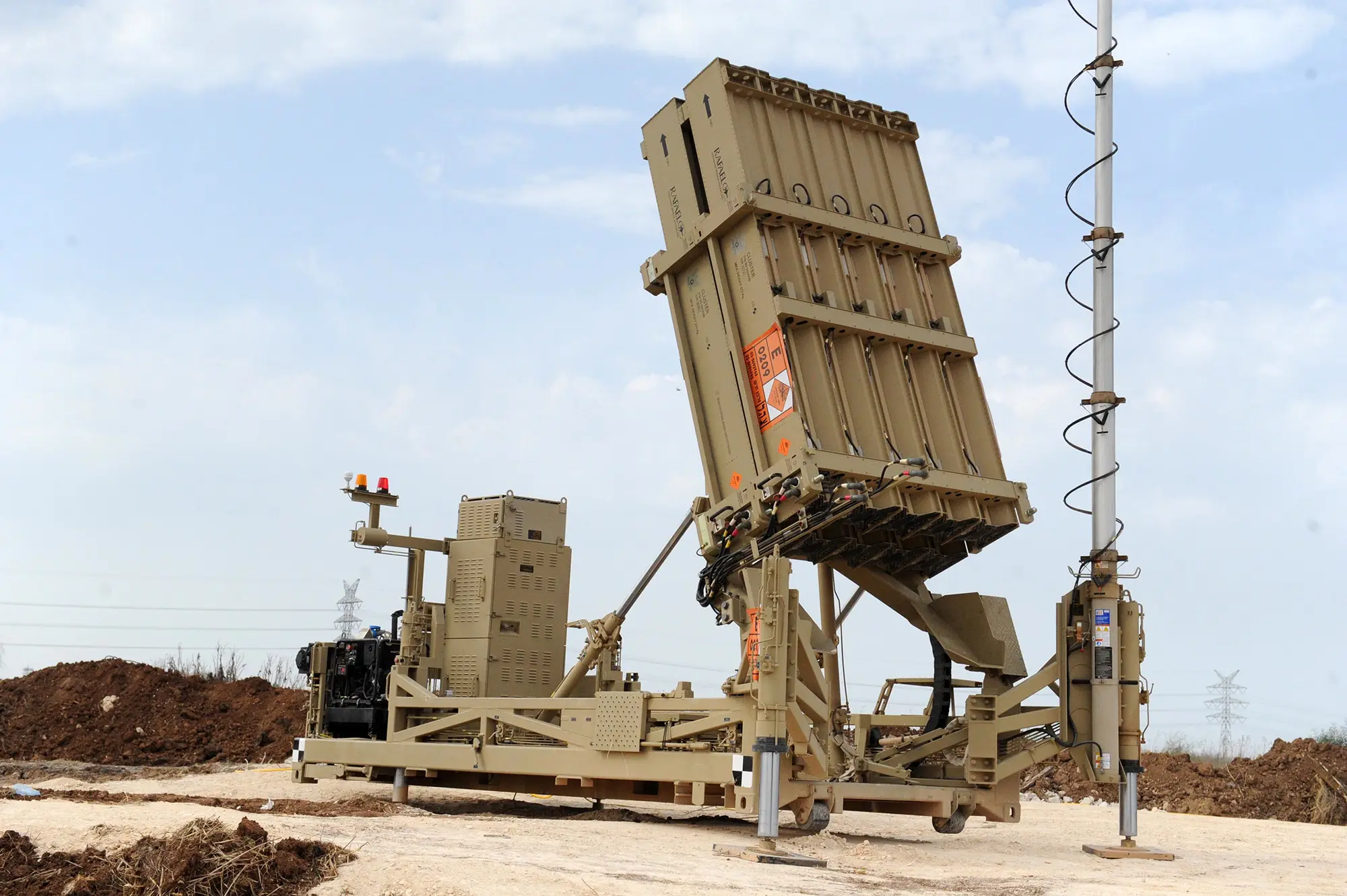
The Iron Dome system defence missile unit
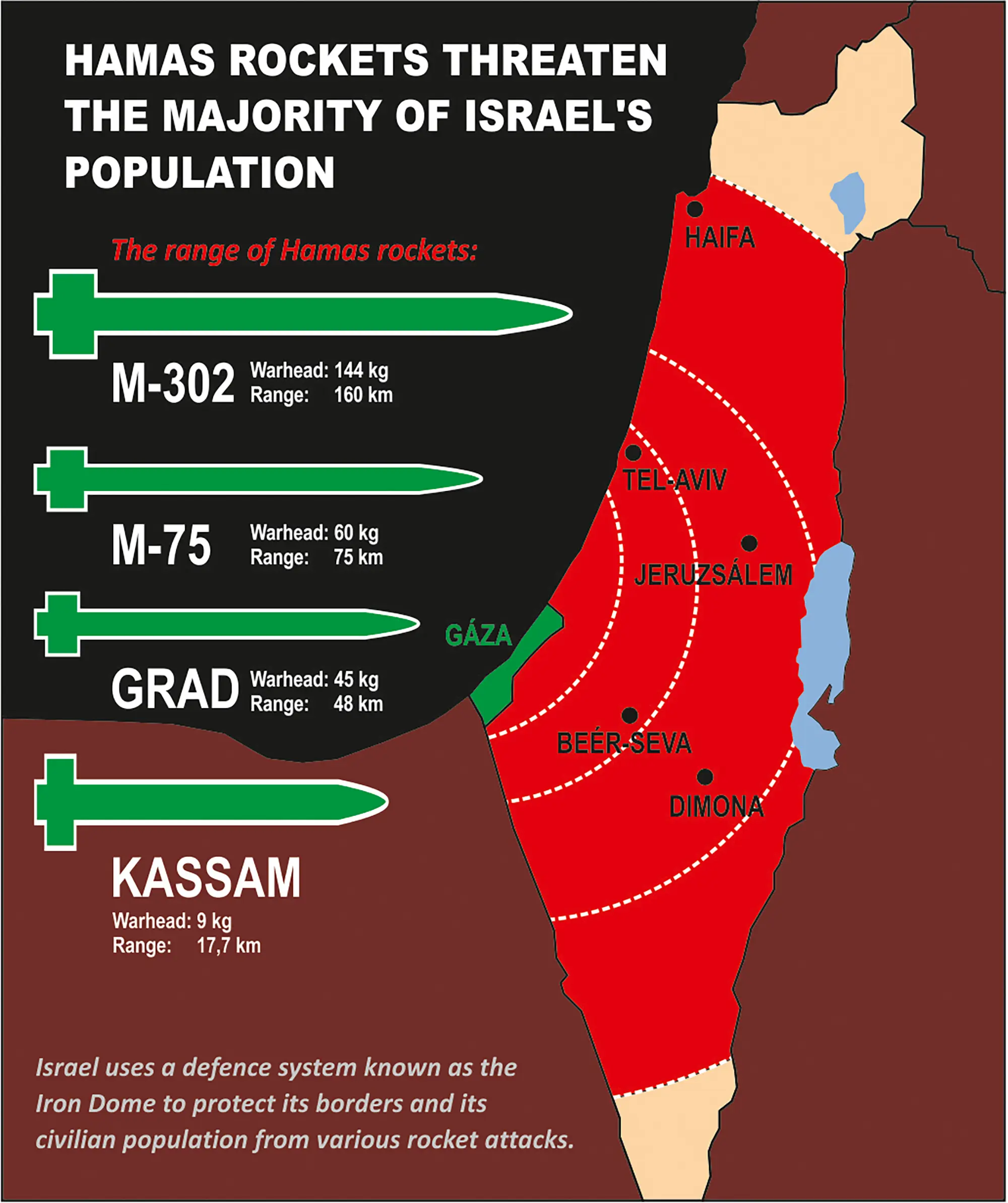
The range of Hamas rockets
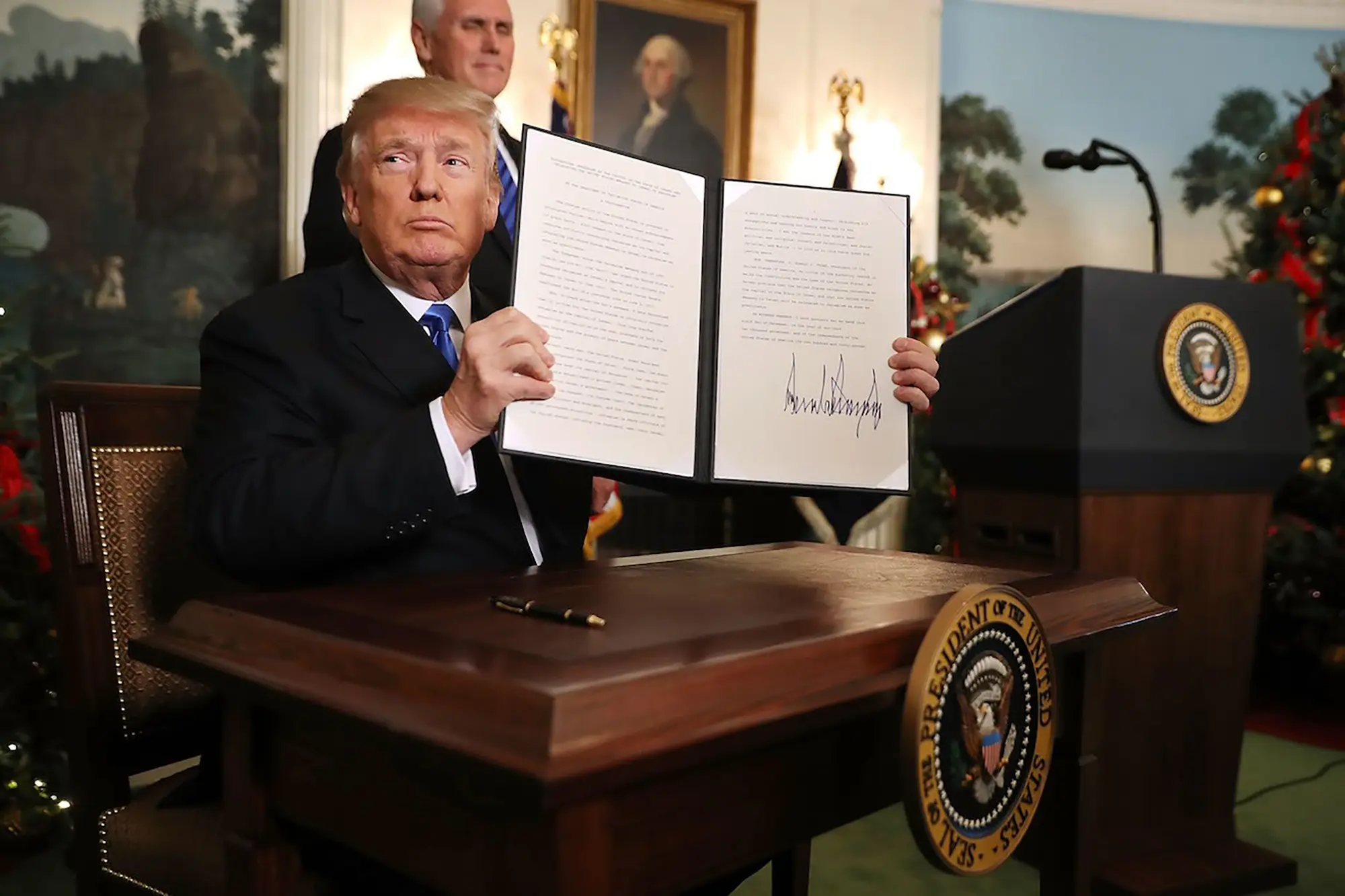
Donald Trump recognises Jerusalem as the capital of Israel
December 6, 2017
– The President of the United States, supported by Christians, Donald Trump recognized Jerusalem as the capital of Israel and promised to move the embassy to Jerusalem.
2018
– On May 14, on the 70th birthday of the modern State of Israel, the Embassy of the United States was opened in Jerusalem. Palestinians responded to the events with rockets and paper dragons causing fires targeting Israeli soil. On July 19, the Israeli Parliament voted on Nation-State Law, which states that Israel is a Jewish state, its official language is Hebrew and its unified and indivisible capital is Jerusalem.
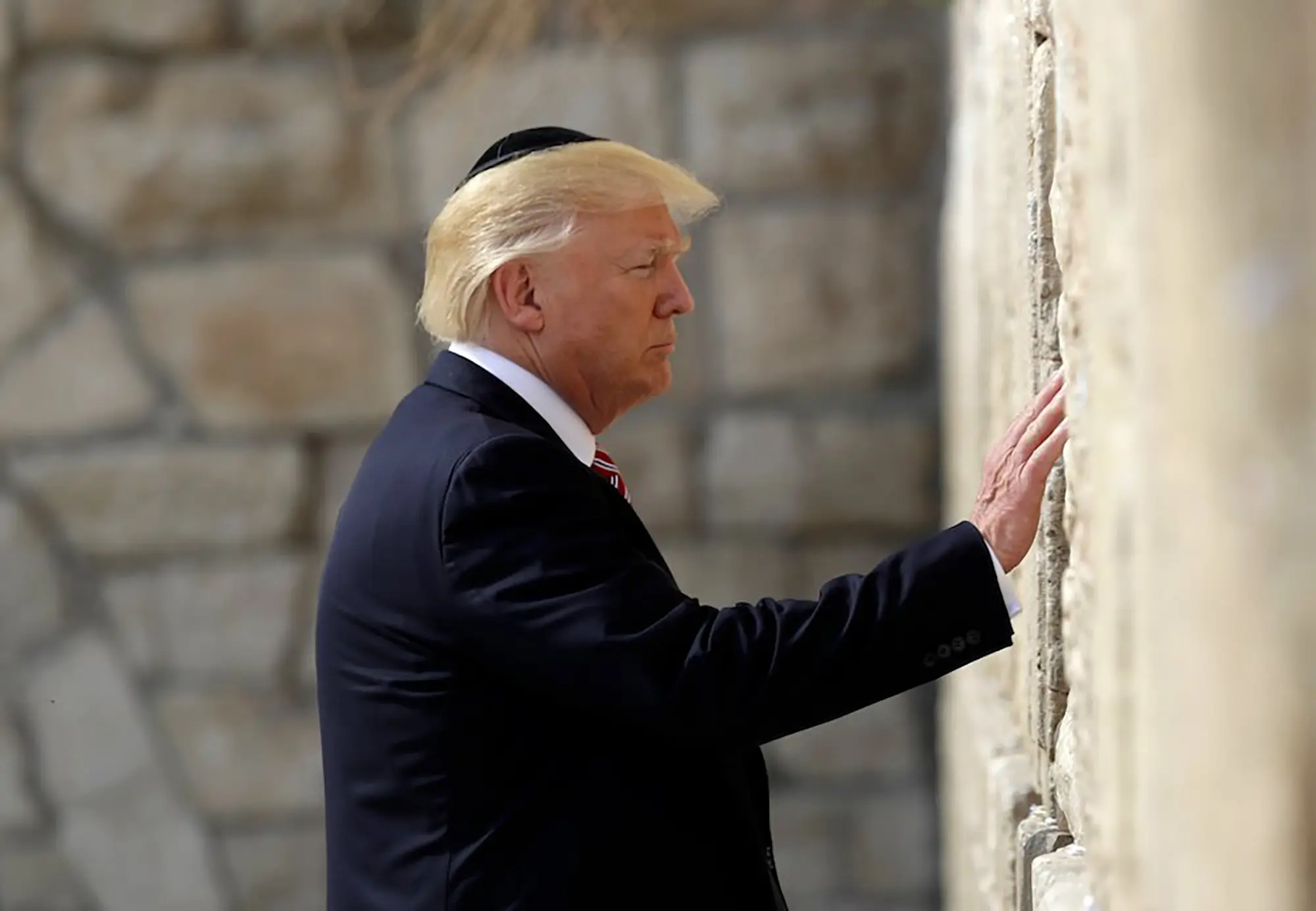
Donald Trump at the Wailing Wall
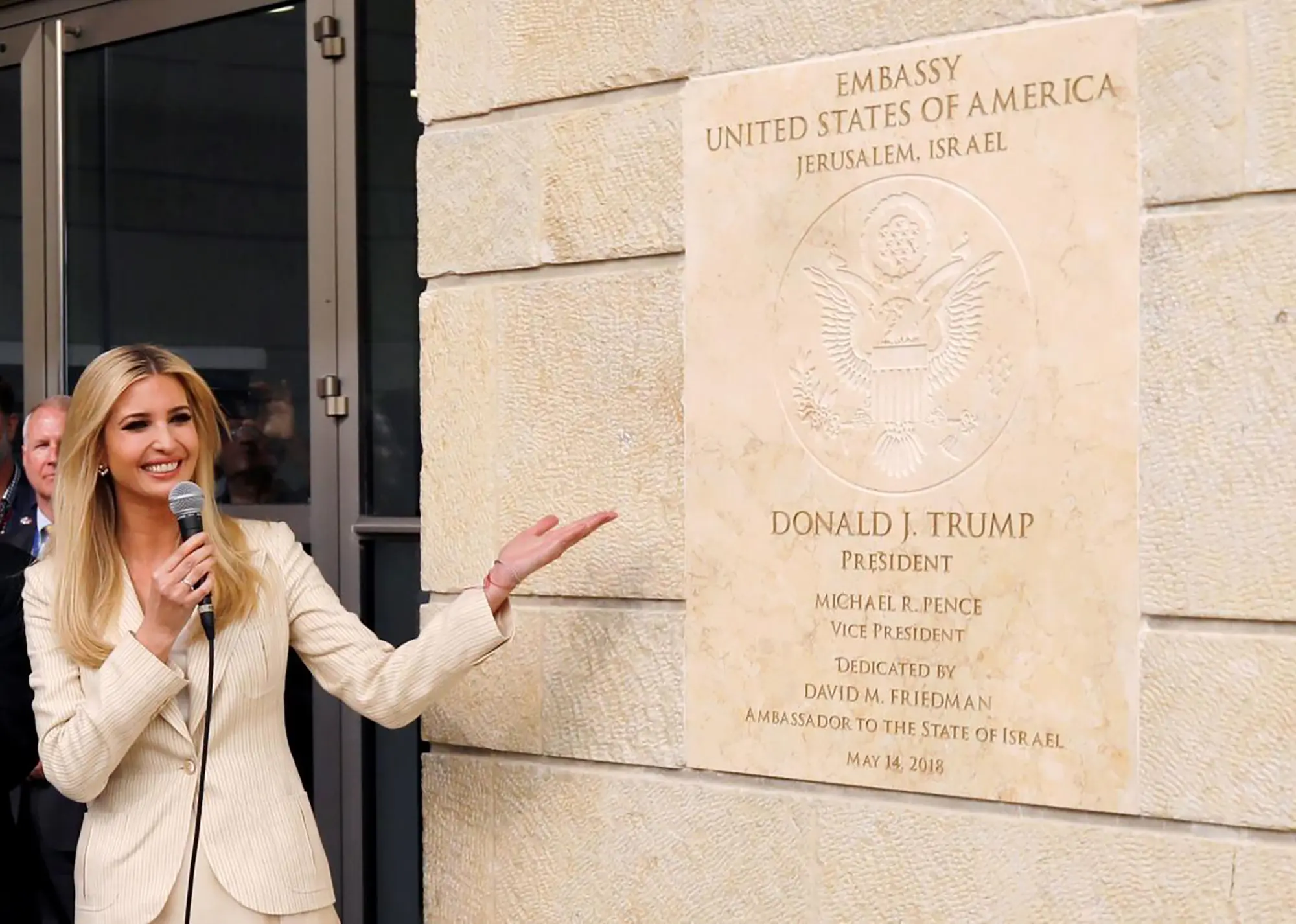
Inauguration of the embassy of the the United States of America
Aliyah (emigrations) to the land of Israel, 1949–2017
The Aliyah of the Jews was continuous since the foundation of the State of Israel. Israel paid attention to rescuing Jewish communities from dangerous areas. In the Operation On Eagles’ Wings (also known as Magic Carpet, 1949–1950) for example, almost all Yemeni Jews were settled in Israel (about 49,000 Jews). The Iraqi and Libyan Jews (around 12,000) arrived with Operation Ezra and Nehemiah (1951–1952). In the 1950s, Jews from Morocco, Tunisia, Algeria and Egypt arrived and after the Islamic Revolution in 1979, 30,000 Iranian Jews emigrated to Israel. Operation Moses (1984–1985) saved nearly 8000 Ethiopian Jews through Sudan; and Operation Solomon also brought more than 14,000 Ethiopian Jews to Israel. Russian Jews came to Israel from the beginning, but the largest number – nearly a million – arrived in the 1990s. The Argentine Jewish population – nearly 70,000 – arrived between 1999 and 2002. In the 2000s, significant numbers of Jews settled on their ancestral lands from Ukraine, Venezuela, due to the rise of new (Islamic) anti-Semitism from France and even from North America.
|
1949–1956 |
734 330 |
|
1957–1967 |
438 938 |
|
1968–1973 |
248 268 |
|
1974–1980 |
177 234 |
|
1981–1990 |
332 921 |
|
1991–1999 |
756 803 |
|
2000–2005 |
197 599 |
|
2006–2012 |
115 757 |
|
2013 |
16 968 |
|
2014 |
26 500 |
|
2015 |
31 013 |
|
2016 |
27 000 |
|
2017 |
28 400 |
The Prime Ministers of the State of Israel
|
President (his life) |
Presidential years |
Party/List |
Political location |
|
David Ben Gurion (1886–1973) |
1948–1954 |
Mapai |
center-left |
|
Moshe Sharett (1894–1965) |
1954–1955 |
Mapai |
|
|
David Ben Gurion |
1955–1963 |
Mapai |
|
|
Levi Eskhol (1895–1969) |
1963–1969 |
Allignment (Labor) |
|
|
Golda Meir (1898–1978) |
1969–1974 |
Allignment (Labor) |
|
|
Yitzhak Rabin (1922–1995) |
1974–1977 |
Allignment (Labor)) |
|
|
Menachem Begin (1913–1992) |
1977–1983 |
Likud |
center-right |
|
Yitzhak Shamir (1915–2012) |
1983–1984 |
Likud |
|
|
Simon Peres (1923–2016) |
1984–1986 |
Collaboration (Labor) |
center-left |
|
Yitzhak Shamir |
1986–1992 |
Likud |
center-right |
|
Yitzhak Rabin |
1992–1995 |
Labor |
center-left |
|
Shimon Peres |
1995–1996 |
Labor |
|
|
Benjamin Netanyahu (1949–) |
1996–1999 |
Likud |
center-right |
|
Ehud Barak (1942–) |
1999–2001 |
One Israel / Labor |
center-left |
|
Ariel Sharon (1928–2014) |
2001–2006 |
Likud, Kadima |
center-right, center |
|
Ehud Olmert (1945–) |
2006–2009 |
Kadima |
center |
|
Benjamin Netanyahu |
2009– |
Likud |
center-right |
Presidents of the State of Israel
|
1948–1952 |
Chaim Weizmann |
|
1952–1963 |
Yitzhak Ben-Zvi |
|
1963–1973 |
Zalman Shazar |
|
1973–1978 |
Ephraim Katzir |
|
1978–1983 |
Yitzhak Navon |
|
1983–1993 |
Chaim Herzog |
|
1993–2000 |
Ezer Weizman |
|
2000–2007 |
Moshe Katsav |
|
2007–2014 |
Shimon Peres |
|
2014– |
Reuven Rivlin |

