3. From the Beginnings of the Hellenic Rule to the End of the Hasmonean Era
332–37 BCE
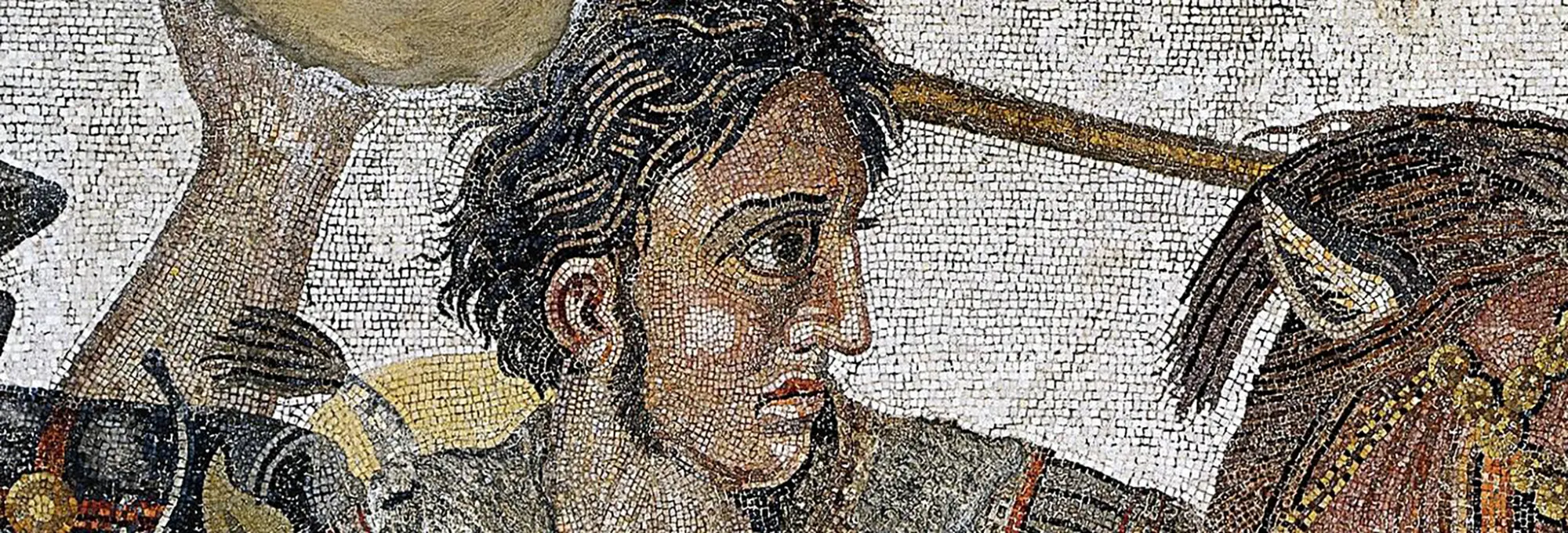
Alexander the Great, Mosaic – Pompeii
332
– Alexander the Great occupied Judea. He focused on building his empire to spread education in Greek language and culture. After his death, his warlords divided his empire. Ptolemy’s and Seleucid’s descendants were constantly fighting, Judah belonged at one time to this and another time to that successor state.
The middle of the 3rd century
– Due to the extent of the Alexandrian Jewish diaspora, for those who converted to Judaism it was necessary to translate the Scriptures from Hebrew to Greek because the Greek language was the dominant language. The translation was made by seventy scientists according to the tradition. Thus, its name is: Septuagint (LXX – alias “Seventies’ Translation”).
The Hellenistic worldview
dominated more and more among the Jews, and there an assimilated Jewish community appeared who broke away from the Law, were often morally libertine, sometimes idolatrous, and intellectual. They interpreted the Scriptures allegorically and in accordance with the Greek philosophy. (The greatest master of this in the 1st century was Philon, living in Alexandria.) Hellenistic cities were created in Judea. The Hellenization reached Jerusalem and even the leading circles, the position of the High Priest was filled by a Hellenistic person by bribing the Seleucid ruler. Opposing them, a new movement rose who were faithful to the Law, this was the Hasideans; among them many miracles happened as well.
168
– Antiochus Epiphanes IV, a Seleucid ruler prohibited the exercise of the Mosaic Law, he put a sculpture of Zeus in the place of the altar of burnt offerings and forced the people to idolatry. In 167 with the leadership of the Hasidean Maccabean family, an uprising broke out. For a few years they prevailed, in 165 they cleansed the Temple and sanctified it. The Jews remember these events on the holiday of Hanukkah (Dedication).
142
– Led by the Hasmonean dynasty, an independent Jewish state was founded. The Hasmonean Period lasted until 37 BCE.
63
– The Roman Commander, Pompey, occupied Jerusalem and made Judea a part of the Roman Empire.
Meanwhile, the Jewish society became divided.
The Pharisee, Zealot and Essene movements developed from the Hasideans. The Pharisees accepted the whole Hebrew Scripture, believed in the resurrection and the final judgement, they separated themselves radically from people whom they suspected were not keeping the Law. The Zealots were more radical: they performed terror attacks on those who did not keep the Law. The Essenes lived in colonies in the desert to keep the purity standards, and they studied the Scriptures day and night. As opposed to these, the Sadducees, from whom the High Priests came, were Hellenistic-minded, rather a political movement who were close to the influential leaders. They denied that the whole Scripture was from divine inspiration, the resurrection, the final judgement etc. The non-Jew Samaritans were also a part of the society, and the above-mentioned assimilated Jews and the political faction of Herodians.
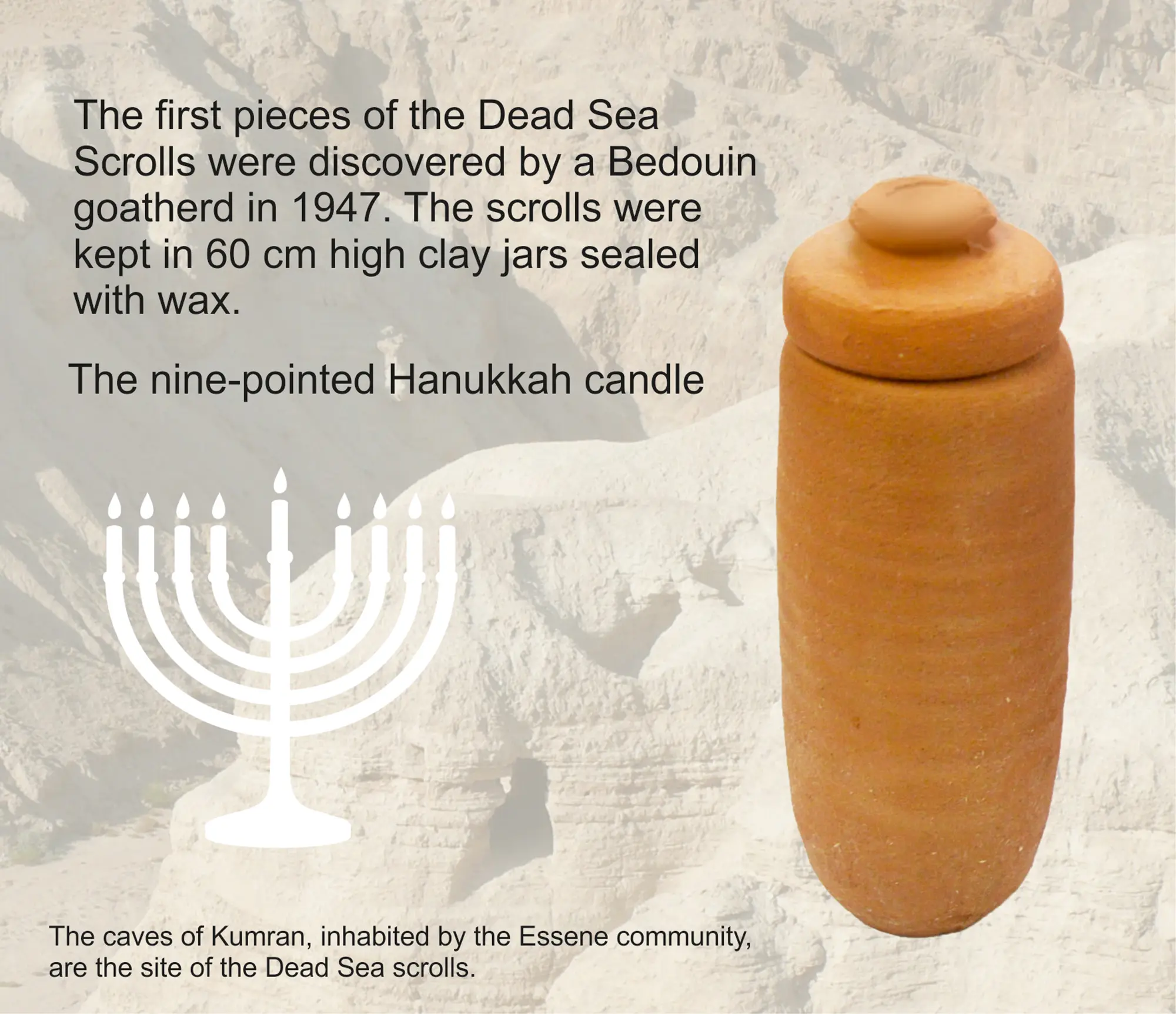

The Isaiah Scroll

